What the record establishes
Updated September 25, 2026: The original publication preceded the public court opinion. This revision distinguishes allegations from the decision and corrects the filing timeline.
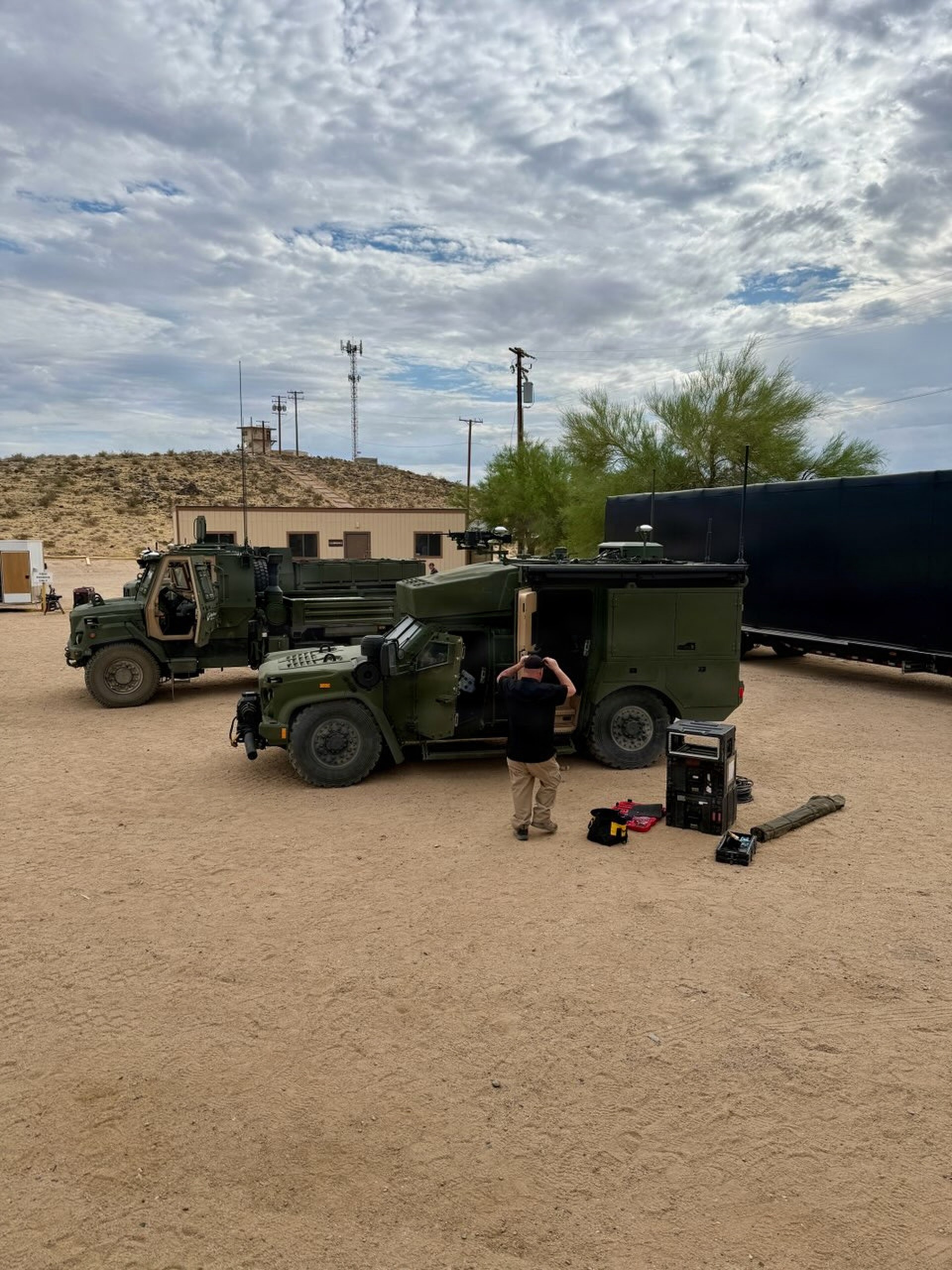
GAO denied TRAX's protest on May 14, 2026. Its decision addressed the White Sands mission-support award to Southwest Range Services, including evaluation and organizational-conflict issues. GAO recognized a conceded evaluation error but found no competitive prejudice from it.
The Court of Federal Claims opinion, publicly filed in September, records a May 29 complaint, rather than a late-July filing. It required three AI-generated evaluations to be included in the administrative record, but denied TRAX's motion for judgment and granted the government's and intervenor's motions. The opinion did not establish that AI hallucinations invalidated the award.
The opinion also identifies concrete process problems. Supplemental declarations acknowledged that AI summaries had reached evaluation-board members, including the contracting officer. The court reserved the government's belated disclosure and briefing problems for a separate show-cause process. Once the record was complete, the court observed nearly identical passages in the AI and board evaluations of the third offeror. It nevertheless found that TRAX had not traced actual errors in its challenged findings to AI or established grounds to invalidate the award.
Those findings warrant attention even though the protest failed. A successful defense of a particular award does not remove the need to document what evaluators received, how they used it and what they independently verified.
The difference between an AI observation and a finding
An evaluation finding has to explain a proposal feature in relation to the solicitation. A model can suggest a concern, summarize a passage or identify a possible inconsistency. None of those outputs becomes a supported weakness merely because the wording sounds plausible.
The reviewer should be able to answer three questions:
- What does the proposal actually say, including any qualifying language elsewhere?
- Which evaluation factor or requirement makes that feature relevant?
- Why does the feature support the judgment being recorded?
This is especially important for a claim that something is absent. A search or model may miss information because it appears in a table, appendix or differently worded section. The evaluator needs to check the actual submission before treating an apparent omission as a proposal defect.
The same discipline applies to strengths. An unsupported favorable finding can distort a comparison just as an unsupported weakness can. Review should examine both sides of the competitive assessment, rather than focus only on negative statements about the protester.
Existing evaluation duties still apply
FAR Part 15 requires evaluation against the solicitation's factors and documentation of the relative strengths, deficiencies, significant weaknesses and risks supporting the evaluation. Teams must also confirm the rules and applicable deviations governing their particular procurement.
It would be wrong to say there is no accountability framework simply because a rule was not originally written for language models. Existing duties concerning evaluation, protected information and decision records still matter. AI-specific procedures should make compliance easier to demonstrate, not imply that responsibility was absent before the new tool arrived.
Calling a tool experimental also does not answer how its output was handled. The relevant questions concern what evaluators saw, whether it influenced their analysis, what they verified and what entered the decision record. Those are factual questions that should be answerable from contemporaneous records.
Build a record that can be reconstructed
An internal procedure for AI-assisted evaluation should identify the approved tool and permitted task, the proposal material processed, the output retained and the reviewer responsible for any resulting finding. It should preserve enough version information to explain the process without exposing protected material outside authorized channels.
The level of detail should match the use. Formatting a paragraph is different from generating a comparative assessment. If a tool helps identify strengths or weaknesses, the record needs a clear route from the proposal to the human judgment—not merely a saved model response.
Practical controls include retaining source references, marking unverified suggestions, recording corrections and separating automated working material from adopted findings. Access controls and procurement-integrity requirements should cover both the input and output. A proposal can remain sensitive even after a model has summarized it.
A review sequence before a finding is adopted
- Confirm permitted use. Establish that the tool, data handling and task comply with the procurement's rules and approved procedures.
- Locate the evidence. Check the relevant proposal passages and related sections directly.
- Apply the evaluation factor. Explain the significance without inventing a new criterion or importing an unstated preference.
- Check comparative consistency. Apply the same reasoning to materially comparable proposal features.
- Record accountable judgment. Identify the evaluator, supporting evidence and disposition of the tool's suggestion.
These controls require time, but they can be integrated into an existing evaluation workflow. The objective is not to preserve every temporary keystroke; it is to retain the evidence needed to understand the government's decision and comply with its records obligations.
What this case does—and does not—settle
The TRAX outcome concerns the record and legal standards in a particular procurement. It is neither a general prohibition on AI assistance nor a finding that any use of AI is acceptable. Agencies can improve their procedures now by defining permissible tasks, review responsibilities and recordkeeping before a dispute forces those questions.
Sources and further reading
- GAO's May 2026 TRAX decision
- Court opinion, Document 76 — primary judicial text reproduced by Justia
- FAR Part 15 — evaluation and documentation provisions
Spartan X's program-execution and AI consulting work brings these responsibilities together: a useful analytical tool, a defined review process and a decision record that stands on the evidence.