Two buying approaches, different obligations
In April 2026, Space Systems Command announced 14 Andromeda IDIQ awards supporting the RG-XX space segment. The program is intended to improve surveillance and reconnaissance in geosynchronous orbit, with individual delivery orders used to develop the capability. A place on the vehicle makes a company eligible for future work; it does not guarantee every awardee a satellite order. SSC announcement.
The initial shared ceiling was $1.843 billion. A May 4 notice described an intended $4.4 billion increase to $6.243 billion, including additional quantities within Andromeda's scope. That notice states an intended modification, not an obligation of the whole ceiling. Readers assessing a current opportunity should use the executed contract and order documents to establish available scope and funding. Official notice; notice text reproduced by Intelligence Community News.
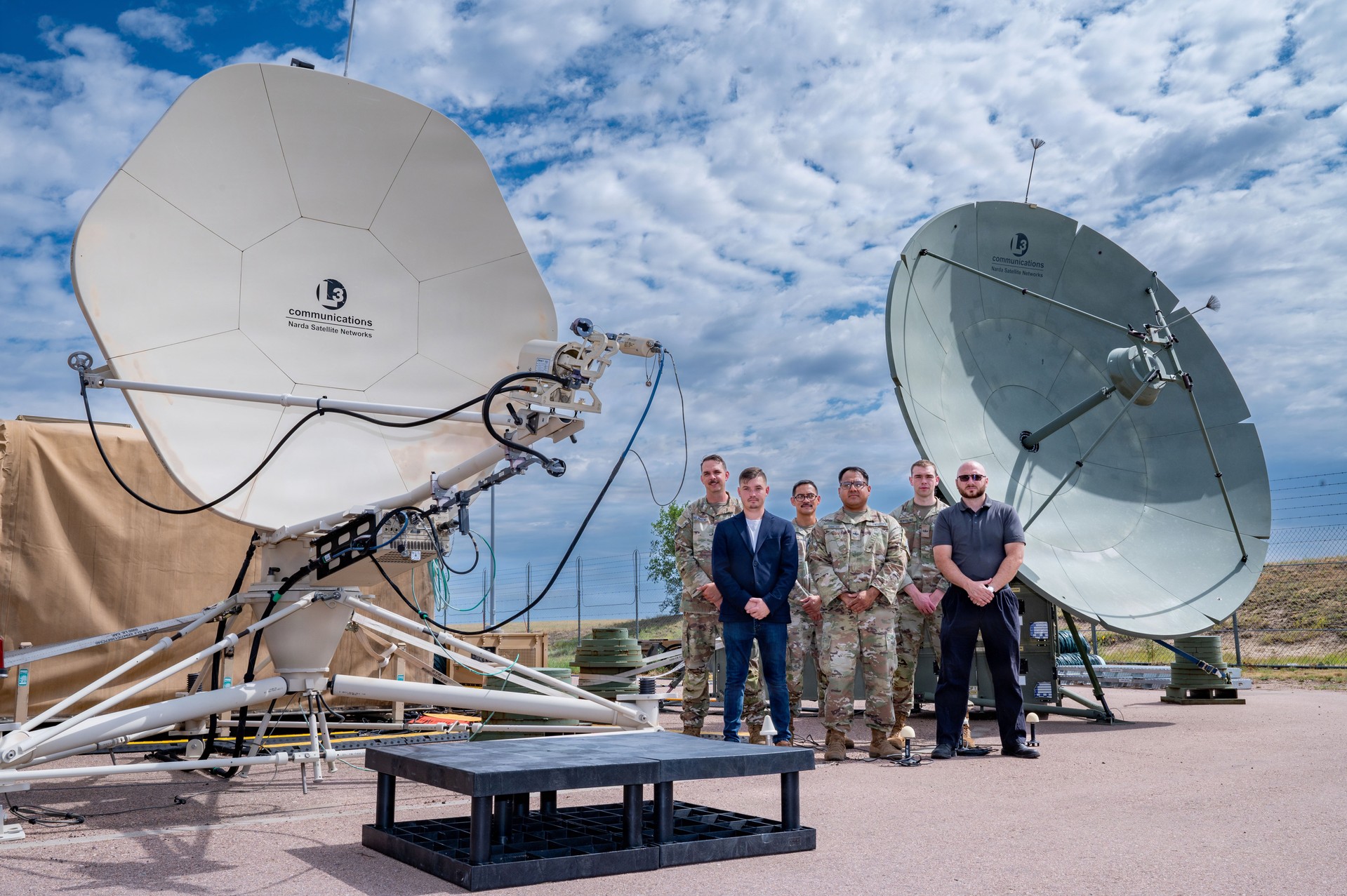
A spacecraft acquisition and a data subscription allocate responsibilities differently. Buying a system can give the customer greater influence over its design, tasking, interfaces, and lifetime support. Buying a service can provide access to existing observations or analysis without acquiring the underlying satellite. Neither contract type, by itself, settles asset ownership, data rights, or operational control; those terms must be specified.
Fixed-price ordering is a pricing arrangement, not proof that the contractor retains the infrastructure or that only hardware may be purchased. A marketplace likewise does not guarantee continuous competition or interchangeable data. The buyer still has to evaluate coverage, quality, supplier dependencies, and switching costs.
The data marketplace is already purchasing useful capability
Later evidence: GAO's August 27, 2026 report adds detail beyond this article's original July publication. It found that the Joint Commercial Operations Cell spent $76.8 million from January 2023 through September 2025 through its contractor-operated Global Data Marketplace. The total covered space domain awareness and tactical surveillance, reconnaissance, and tracking, rather than SDA alone. GAO report.
GAO also recorded concerns about licensing cost, perceived use restrictions, and access after a contract ends. An existing JCO-led cross-government working group meets monthly to coordinate purchases and discuss rights, but some potential users did not know about it. This is partly an information and coordination problem, not simply evidence that commercial data cannot be shared.
The lesson for an acquisition team is immediate: before paying for another feed or rejecting an available one, establish what access already exists and who can explain its permitted uses. Operational use, training, model development, sharing with partners, and retention after expiration may have different terms.
Write the mission requirement around usable observations
Space awareness is a continuing activity. Objects maneuver, observations age, and coverage changes. The value of a data product therefore depends on when and how it can inform a decision, not just the number of records delivered.
A practical comparison of system and service offers should include:
- Coverage and tasking: what can be observed, how frequently, and with what priority when demand rises?
- Provenance: which sensor, collection time, processing version, and corrections produced an observation?
- Latency and uncertainty: how old is the information when it reaches the operator, and what confidence accompanies it?
- Permitted uses: can the customer retain, combine, train on, and share the data needed for its mission?
- Continuity: what happens during an outage, a contract lapse, supplier failure, or loss of a ground site?
- Portability: can another provider's output be integrated without rebuilding the operational workflow?
These are recommended evaluation questions, not claims that every current contract omits them. They also keep a low subscription price from disguising high integration costs, or a large vehicle ceiling from being mistaken for available operational capability.
Build a market that supports both delivery models
Suppliers should decide deliberately whether they are selling a spacecraft, sensor integration, observations, analytics, or a managed service. Each has a different cost structure and evidence burden. A company able to serve more than one model can create options for the customer, but that flexibility should not require an agency to purchase capabilities it does not need.
For government buyers, a mixed approach can preserve sovereign control where it matters while purchasing commercial capacity where it adds coverage or speed. A useful pilot should measure whether the added data improves a defined operational decision, what analysts must do to make it usable, and whether that benefit survives a simulated service interruption.
The industry that develops around these purchases will respond to those incentives. Clear performance measures and workable access terms reward sustained service quality. Requirements that obscure ownership, integration, or continuity can leave the customer with several contracts and an incomplete operating picture.
Sources and further reading
- SSC: April 2026 Andromeda and RG-XX announcement
- SAM: intended Andromeda ceiling modification
- Reproduced May 4 notice text
- GAO: commercial space data and services, August 2026
Spartan X connects acquisition planning with data architecture and mission integration, helping teams define what they must own, what they can buy as a service, and how each choice will remain useful in operations.