Define the mission before comparing fleets
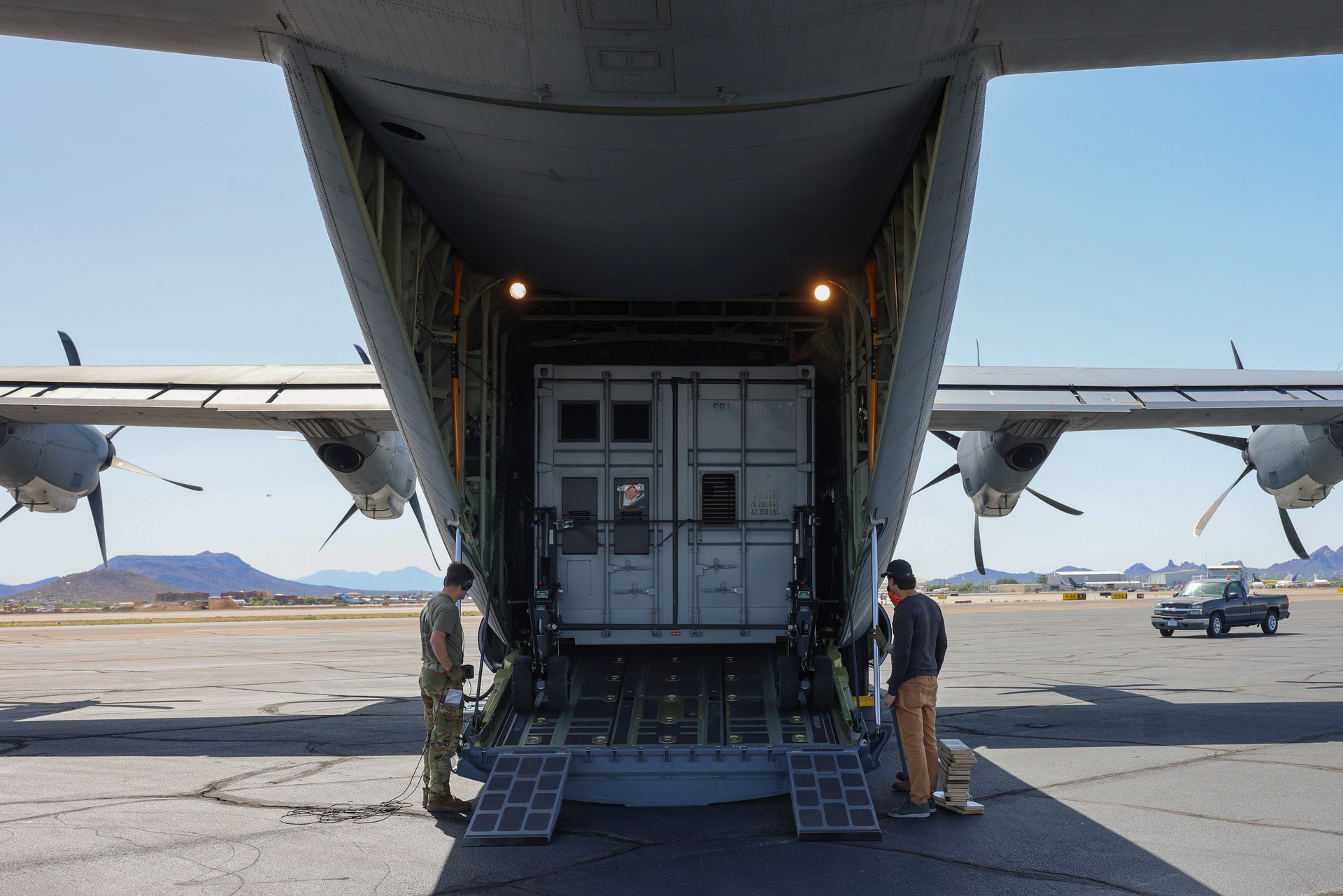
The Navy's mission-systems contract announcement identifies Northrop Grumman as the prime integrator under a roughly $3.46 billion contract, with TACAMO equipment installed on government-furnished C-130J-30 aircraft built by Lockheed Martin. NAVAIR describes the mission as providing a survivable communications link for national leadership and strategic forces.
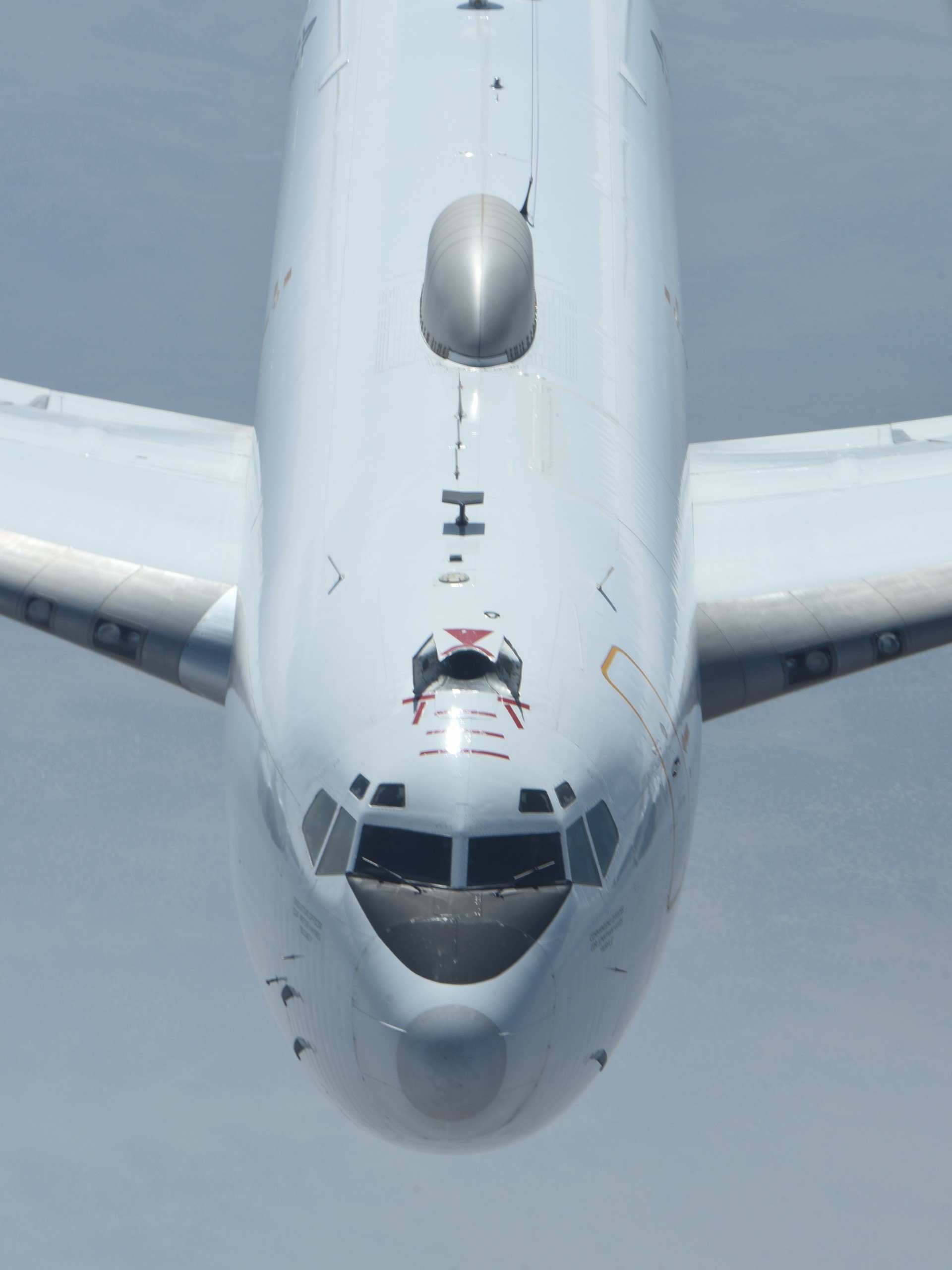
The E-6B product description identifies a very-low-frequency communications system with trailing-wire antennas. Very low frequency is the appropriate terminology here; it should not be casually replaced with extremely low frequency. The replacement also needs to be described by its assigned mission, rather than assumed to reproduce every function performed by the current aircraft.
Fleet totals require equally careful reading. Development aircraft, production aircraft, operational inventory and aircraft available for a mission are different quantities. A larger planned acquisition does not by itself establish a proportional increase in coverage or survivability. That conclusion requires the force-design and availability assumptions behind the plan.
Integration is the main engineering question
Using an in-production airframe can provide a manufacturing and support foundation. It does not eliminate the work of fitting mission equipment, electrical demand, cooling, communications and crew functions into that platform.
GAO's 2026 weapon-systems assessment identifies significant E-130J integration risks. Its program account describes a delay of approximately a year in the low-rate production decision and work to reduce the weight of existing mission systems for the C-130J-30. That evidence makes the integration challenge concrete; it is not simply a general warning that defense programs sometimes slip.
The same assessment discusses early operator feedback on software and planned cyber-survivability assessments. Those activities matter because a mission system is more than a collection of functioning subsystems. Operators must understand it, maintainers must support it and the integrated aircraft must perform reliably under its approved conditions.
Design-review labels need scope
A preliminary design review is a checkpoint, not proof that every risk has been retired. Readers should distinguish a review of a test-aircraft configuration from a full-system review, and a scheduled review from a completed one. Cost and schedule claims should identify the reporting date and the baseline to which they refer.
The same applies to unit cost. An average procurement cost excludes items that may be included in program acquisition cost, such as development. Comparing an unqualified per-aircraft figure with a total-program estimate can produce a misleading impression of affordability.
For a buyer or supplier, the useful question is what the next milestone demonstrates: a validated interface, a closed weight issue, an integrated test result or a supported operating capability. A milestone chart without those exit criteria says little about remaining risk.
Sustain the current mission during the transition
The E-6B fleet must continue supporting its responsibilities while the replacement matures. That creates two linked programs of work: developing the successor and sustaining the existing capability. Treating one as a temporary inconvenience can hide costs and schedule dependencies in the other.
Transition planning should account for aircraft availability, maintenance, spares, crew qualification and training-device delivery. Lockheed Martin's April 2026 training announcement illustrates that the training system is an explicit part of the industry effort, not something added after aircraft delivery.
A ready air vehicle without qualified crews or usable support equipment is not a ready mission. Conversely, retiring existing capacity against an optimistic delivery date can create pressure to accept the replacement before the evidence is complete. The transition plan needs decision points that connect both fleets.
What suppliers should take from the program
The opportunity extends across communications integration, avionics, cybersecurity, training and sustainment. Suppliers should work from released requirements and their actual contract scope; public descriptions cannot establish classified performance needs or justify claims about a particular adversary's ability to disrupt the system.
At the program level, nuclear communications resilience is a system property. Aircraft, ground support, communications paths, people and procedures contribute together. More aircraft may support an operating concept, but quantity alone cannot explain why the force is resilient or whether the concept is affordable to sustain.
Review the evidence behind readiness
- Clarify scope. Separate the TACAMO replacement mission, test configurations and other current-aircraft responsibilities.
- Track integration margins. Follow weight, power, cooling and interface issues through verified closure.
- Define milestone evidence. Record what each review or test establishes and which limitations remain.
- Connect the support schedule. Align training, maintenance, spares and facilities with aircraft acceptance.
- Protect continuity. Link retirement and transition decisions to demonstrated replacement readiness.
The program's importance is a reason to demand precise evidence, not to infer success from its strategic purpose. Sustained communications capability is delivered through the integration and support details that survive testing.
Sources and further reading
- Navy E-130J integration contract announcement
- NAVAIR E-6B mission description
- GAO 2026 weapon-systems assessment — E-130J program assessment
- Lockheed Martin training announcement
Spartan X's engineering, logistics and program-execution disciplines connect mission-system integration with the people and support needed to operate it. That is the practical work behind a transition that preserves capability while the next platform matures.