What Capstone 6 tested—and what changed afterward
The Army's July 15 announcement scheduled PC-C6 for July 20–29, 2026. Its central focus was Next Generation Command and Control, with more than 100 emerging technologies at division scale and participation from the United Kingdom, Australia, Canada and New Zealand. The Army explicitly intended the resulting data and insights to inform acquisition.
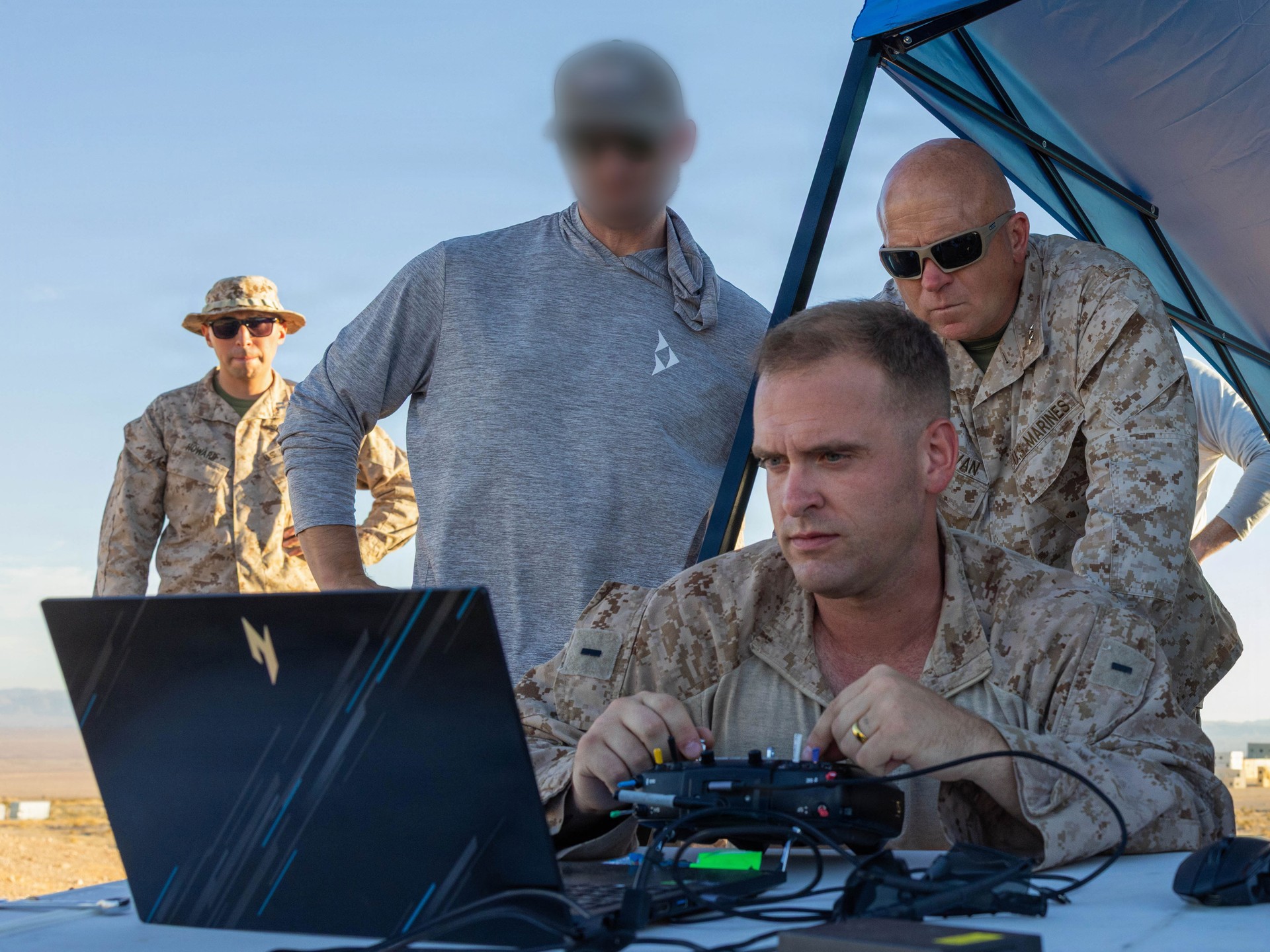
September 2026 review update: in its July 31 account, the Army reported a July 29 decision to begin scaling NGC2 after ten months of prototyping, starting with I Corps headquarters later in the year. The account described division-scale testing in desert conditions against an opposing force, and leaders emphasized that the system still required optimization. This is evidence of a transition decision, with planned delivery distinct from completed fielding everywhere.
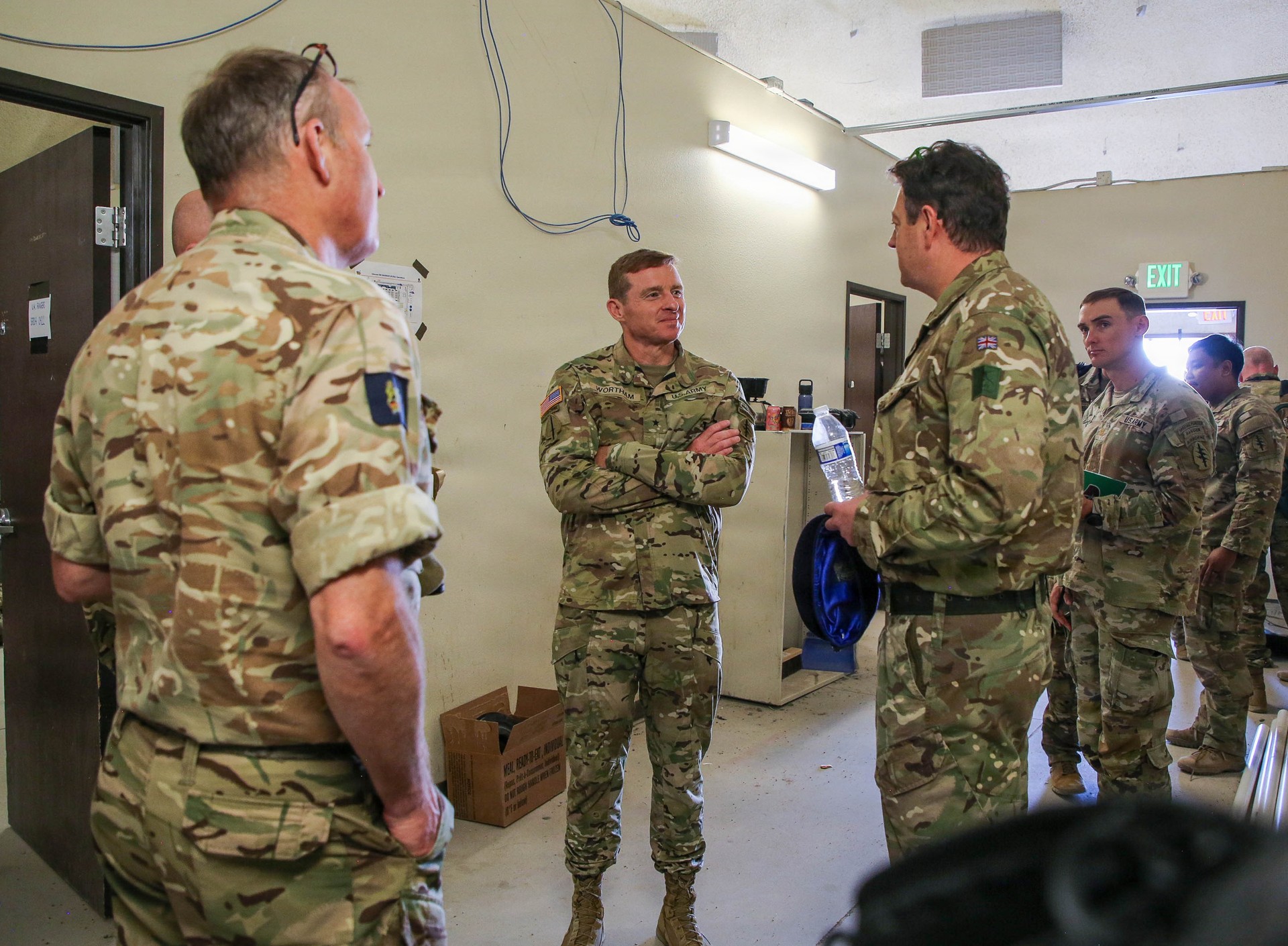
The integration question extends beyond an individual robot or application. Special operations, conventional formations and coalition partners need to exchange usable information while keeping command relationships clear. A demonstration succeeds operationally only when people can understand and act on what the connected systems provide.
Measure the attention the machines require
Human-machine integration should be judged by the work it enables and the attention it consumes. A platform that follows a formation can still impose too much supervision, generate confusing alerts or lose utility when communications degrade.
Useful evaluation questions include:
- How many systems can an operator supervise while completing the rest of the assigned task?
- Which events require intervention, and can the operator recognize them in time?
- What happens when the link becomes intermittent or information arrives late?
- Do coalition users interpret the same data and status indicators consistently?
- How do fatigue, darkness, dust and unfamiliar interfaces change performance?
These are questions for structured observation, rather than claims that every condition was tested or resolved at PC-C6. CDAO's human-system evaluation guidance specifically includes user trust, cognitive load and transparency. Those factors belong in the findings delivered to the next unit.
Make experiment data transferable
A result has limited value if the receiving program cannot reconstruct what produced it. Preserve the software and hardware configuration, mission context, data quality, operator intervention and relevant environmental conditions. Keep the unsuccessful runs alongside the successful ones.
The next team should be able to distinguish an observed result from an extrapolation. A test over one network does not establish equivalent performance over every transport. A trained experimental team may not represent a newly equipped formation. Those differences identify follow-on work; they need not erase the benefit already demonstrated.
- Assign each finding an owner. Identify the organization responsible for the change or fielding decision.
- Connect evidence to a requirement. Explain which mission need the result supports and what remains untested.
- Preserve a reusable record. Include configuration, test conditions, outcome and access permissions.
- Fund the transition work. Carry integration, training, support and retesting into the delivery plan.
- Check the next formation. Compare its experience with the experiment and update the evidence when conditions differ.
The pace of experimentation and the pace of acquisition can diverge. PC-C6's NGC2 transition provides a concrete opportunity to examine how closely they stay connected. The useful scorecard is whether findings change delivered capability, training and support—and whether subsequent users achieve the intended benefit.
Sources and further reading
- Army announcement of PC-C6
- Army post-event NGC2 scaling account
- CDAO evaluation frameworks, including human-system integration
Spartan X combines engineering and program execution to carry integration findings into practical delivery plans, preserving the technical evidence and support decisions that make experimentation valuable to the next formation.