The workforce problem the 390A addresses
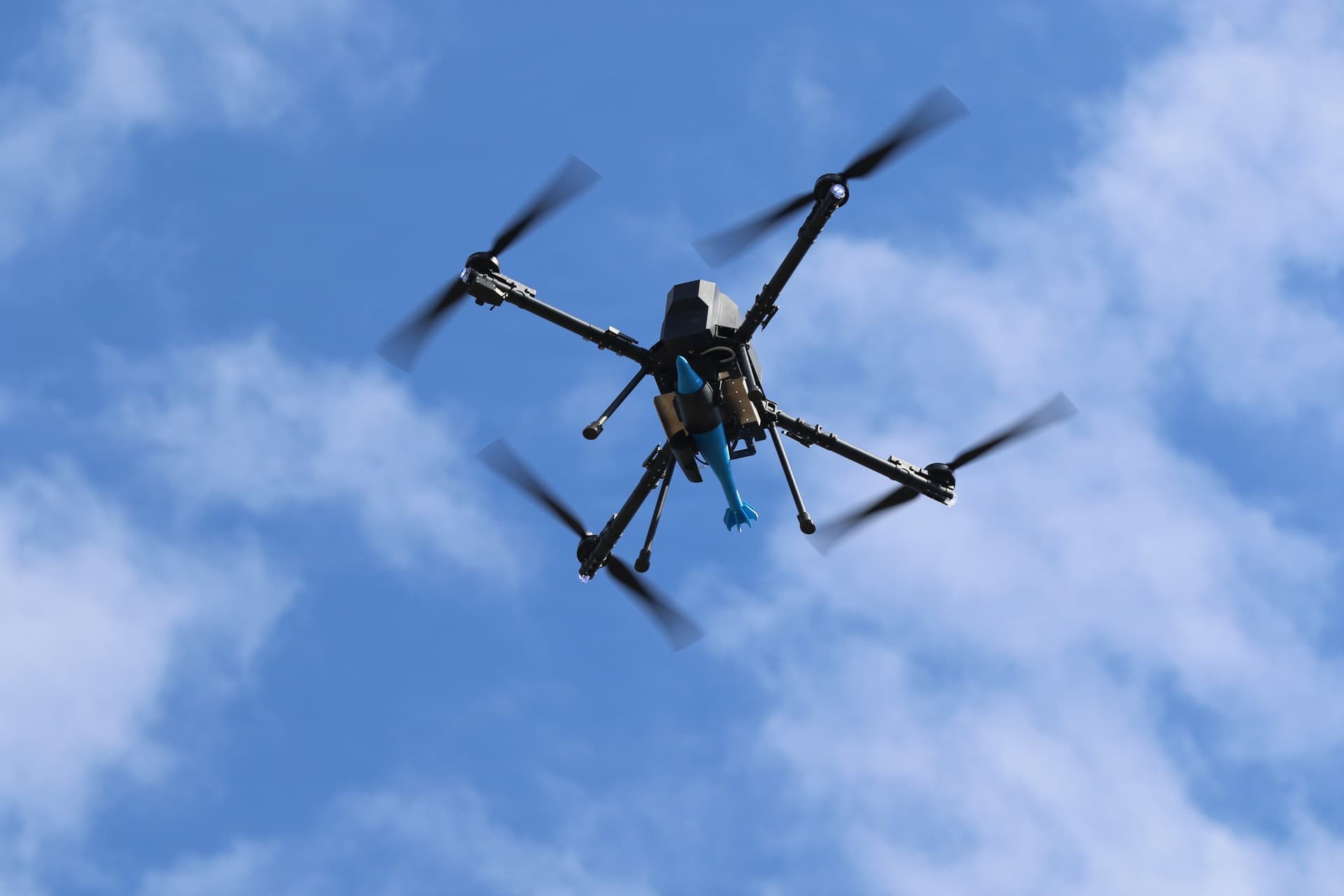
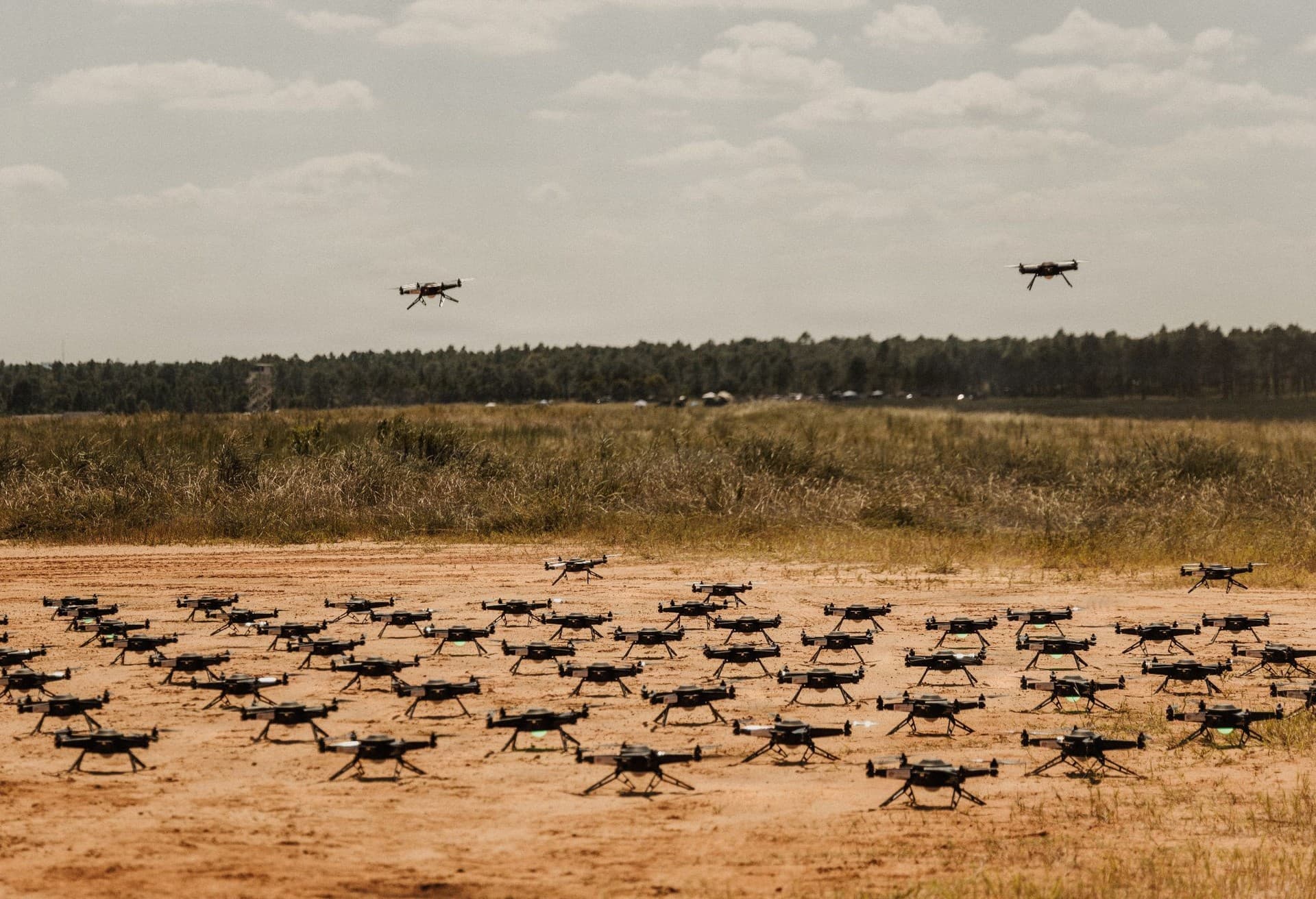
The Army's investment in autonomous and robotic systems has consistently exceeded its ability to integrate them at the unit level. Ground robots, counter-UAS platforms, and autonomous logistics systems have demonstrated capability in controlled test environments and in limited operational use. The gap has rarely been in the hardware. It has been in the formation's ability to configure, adapt, sustain, and troubleshoot those systems against conditions the acquisition program did not anticipate.
The standard answer — training a designated operator in an add-on course — creates a practitioner, not an architect. That soldier learns to run the system within known parameters. When RF interference degrades the data link at the wrong moment, when the edge computing payload needs a software update during a 72-hour operation, or when additive fabrication is the only practical way to replace a failed component forward of the support area, a practitioner-only model leaves a capability gap. The 390A is designed to close that gap by creating a career path with the technical depth to own those decisions.
A technical workforce in layers
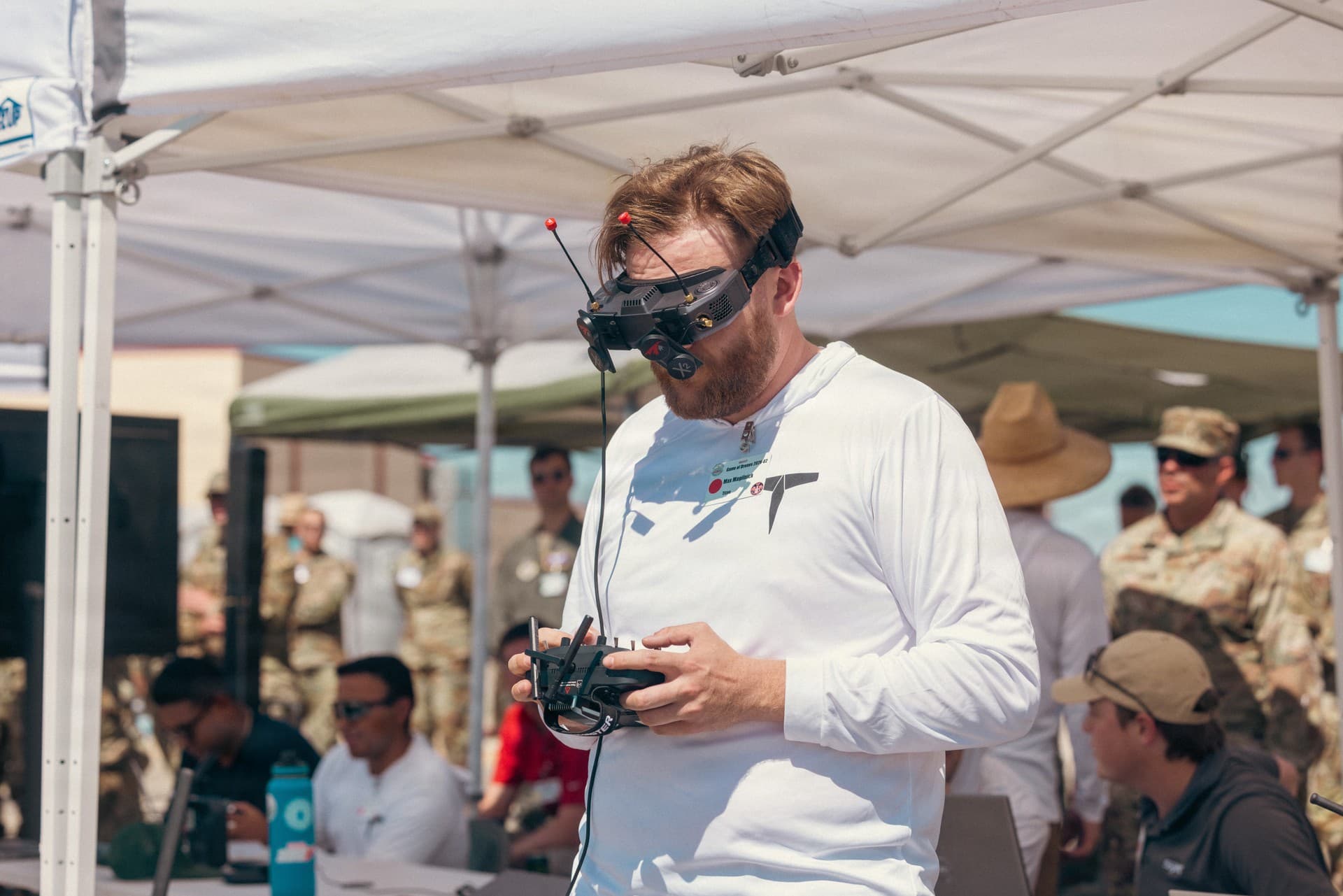
The U.S. Army John F. Kennedy Special Warfare Center and School, the Army's Special Operations Center of Excellence (SOCoE), established the 390A as the technical architect layer for robotic and autonomous systems. The 390A Robotics Technician warrant officers engineer, configure, and secure those systems, and serve as the primary technical advisors to brigade and task force commanders. The Army also runs the Robotics and Technology Integrators Course (RTIC), an 18-week program for technical integrators who design, build, modify, and maintain robotic systems and plan their employment. A further course, the Robotic and Unmanned Systems Integration Course (RUSIC), trains the tactical operators who employ them under contact. An Army document describing the two career paths as designed to work in tandem, as reported by Business Insider, frames them as separate but complementary roles.
This is a deliberate technical workforce architecture, not a rebranding of existing positions. Managing system configuration, edge compute payloads, RF link design, and software requires sustained institutional depth. As CW5 Jerry Brown (1st Special Forces Command) noted of the new specialty, the capability "cannot be an additional task or an additional hat for someone on the ODA" — a dedicated career path, not an add-on to an existing role.
The Army has applied this logic before. Within the cyber career field (CMF 17), 170A Cyber Operations Technicians function as the architects, while 17C Cyber Operations Specialists are the technical practitioners who operate and maintain the capabilities within formations. Neither role collapses into the other, and the formation benefits from both. The 390A/RTIC model applies the same logic to autonomous systems.
The 19-week course
The 390A Warrant Officer Basic Course runs 19 weeks, with the course operating between facilities at Fort Bragg, Camp Mackall in North Carolina, and Fort McClellan and Clark Range in Alabama. A 14-week technical block covers computing networks, edge AI, computer-aided design (CAD), additive fabrication, and RF systems. Two weeks of operational mission planning follow — grounding those skills in how 390As plan and synchronize robotic and autonomous systems use as advisors to brigade and task force commanders. The course closes with a three-week field maneuver exercise as a culminating event.
The geographic and operational range of the culminating exercise matters. In technical warrant officer disciplines, the gap between classroom competence and field competence tends to widen under real operational conditions — variable terrain, degraded communications, constrained logistics, and mission timelines that don't accommodate lab-style troubleshooting. Running those conditions into the basic course design is the Army's answer to that gap, rather than leaving it for the first field unit to discover.
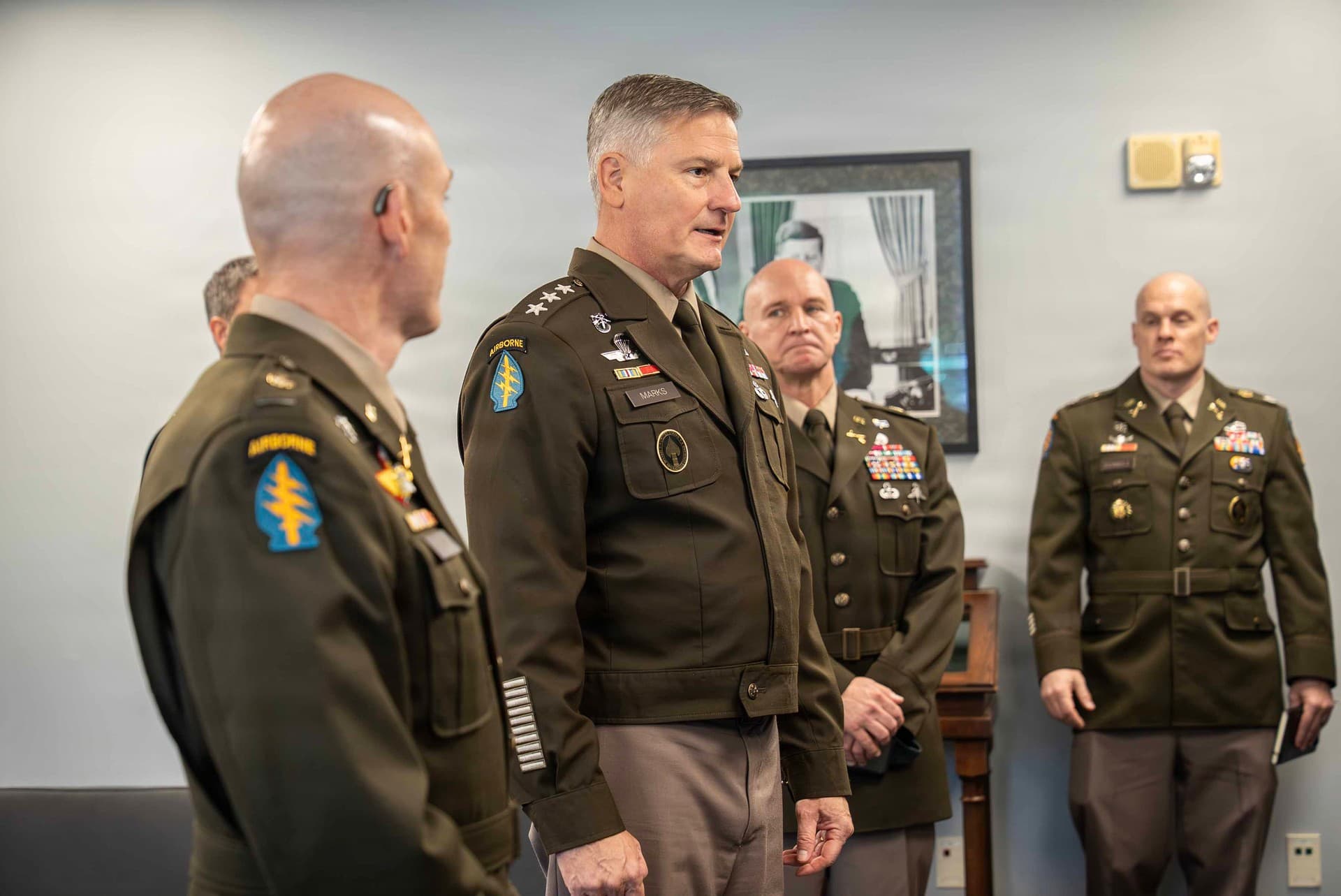
The 10 inaugural warrant officers who completed the program were inducted at a ceremony at the JFK Auditorium on Fort Bragg on October 2, 2026. Lieutenant General Steven M. Marks, Vice Commander of U.S. Special Operations Command, delivered the keynote address.
Why SOCOM first
Starting the 390A within the Special Operations community reflects both operational and institutional logic. Special Forces formations already operate at the edge of technical complexity: small teams with high equipment density, austere logistics tails, and mission sets that require improvisation when supply chains can't keep pace. The workflow the 390A is designed to support — configure, adapt, fabricate, integrate, sustain — is precisely the workflow that Special Forces has been executing informally with borrowed expertise for years.
JFKSWCS also had an advantage as the launch site. The first RTIC class had already graduated at Fort Bragg in May 2026, about four months before the 390A MOS was formalized, giving the new warrant officer program an existing population of trained technical integrators in the community it was designed to serve. Starting where the integrator pipeline was already producing graduates was practical sequencing.
The October 1 context
The 390A activation did not happen in isolation. Acting Secretary of the Army Adam R. Telle signed a memorandum establishing the Futures and Autonomous Systems Command (FASCOM) on October 1, 2026 — the same day the 390A MOS was formally activated. The memo, titled "Army Autonomous Initiatives," directs expanded authorizations for the 390A MOS across applicable units as the Army's autonomous systems enterprise scales. October 1 also saw the 40D Tactical Space Operations Specialist MOS take effect — an enlisted specialty (E-4 to E-9) in the Space Operations Branch under SMDC — a separate but parallel signal that the Army is building technical workforce depth across domains it has treated as specialty capabilities.
The connection is not a single mechanism but a shared premise: acquiring advanced capability is insufficient if the formation cannot technically sustain and integrate it. The 390A and 40D are different workforce solutions for different domains, but both reflect a decision to build institutional career paths rather than rely on ad hoc expertise or add-on training.
Scaling to the conventional force
The Army has signaled intent to extend the 390A beyond special operations formations. The October 1 Telle memorandum directs expanded 390A authorizations across applicable units, and the Army's Vice Chief of Staff has stated that experimental formations will receive some of the Army's first 390As as the program scales. The practical challenge is resourcing the expansion — building the courseware, the instructor base, and the RTIC pipeline that the conventional force will need.
Specific timelines and billet counts for the broader expansion have not yet been published. The structural implication is clear, however. When a conventional brigade has an organic 390A, the technical expectations for autonomous systems integration change substantially. That soldier can configure edge AI payloads, troubleshoot RF link failures, design and fabricate hardware replacements forward, and assess whether a system is actually meeting its operational parameters rather than just its test parameters. That is a different kind of accountability than the Army's autonomous systems programs have typically encountered at the receiving formation.
What this tells program offices and vendors
The 390A's existence changes the technical depth that vendors and program offices can assume on the receiving end of a fielded system. A formation with an organic 390A warrant officer is a more demanding integration partner. That soldier can read the technical documentation, evaluate configuration options, identify where a system's assumptions diverge from field conditions, and communicate those gaps up the acquisition chain.
For vendors, the practical implication is that the Army's autonomous systems technical workforce — as it scales — will be equipped to hold systems accountable at the technical level, not just the operational one. Claims about edge compute robustness, RF interference handling, and logistics footprint will face a more technically literate audience at the formation level.
For program offices, the 390A is a forcing function. If the formation has organic technical depth to integrate, adapt, and sustain a system, the acquisition program must deliver something that is actually integrable — with documentation, training materials, and software architectures a technically skilled warrant officer can work with. The existence of the 390A career field raises the bar on what programs must deliver at fielding, not just what they demonstrate during test.
Acceptance questions for autonomous systems acquisition
For program and acquisition personnel assessing how the 390A model affects their programs:
- What is the technical depth assumption at the receiving formation? Does the fielding plan assume a formation with a 390A, an RTIC-trained team, or neither? The answer should drive the documentation, training, and sustainment design.
- Is the system configurable at the formation level? A system that requires contractor support for every configuration change is not a system a 390A can fully own. Where does that line fall, and is it documented?
- What is the additive fabrication and software update model? The 390A course covers both. If the sustainment model prohibits formation-level software changes or hardware fabrication, that is an explicit constraint to document and resource separately.
- How does the system perform under RF degradation and edge compute constraints? The 390A's training includes both; so does the operational environment. Test criteria should reflect field exercise conditions, not just laboratory baselines.
Sources and further reading
- Architects of Autonomy: Army activates 390A Robotics Technician MOS (army.mil) — activation date, ceremony, curriculum structure, and 390A role as technical advisor to brigade and task force commanders
- Army SOF unleashes first RTIC class (army.mil) — July 2026; first Robotics and Technology Integrators Course class graduated at Fort Bragg in May 2026; describes RTIC as training technical integrators and RUSIC as training tactical operators
- Army announces FASCOM and Autonomous Initiatives (army.mil) — Telle memorandum of October 1, 2026; establishes FASCOM and directs expanded 390A authorizations across applicable units
- Future Focused: Vice Chief of Staff details Army autonomy advancements (army.mil) — Vice Chief of Staff statement on autonomous systems workforce expansion; experimental formations to receive some of first 390As
- 40D Tactical Space Operations Specialist MOS (army.mil) — enlisted Space Operations MOS (E-4 to E-9), effective October 1, 2026
Spartan X designs and delivers edge AI platforms and tactical C3 architectures in environments where the technical integration problem is precisely what the 390A was built to solve — where systems must configure, adapt, and sustain forward of the support area, under conditions the acquisition program did not fully anticipate. The 390A's emergence as an institutional career field is the Army acknowledging, in workforce terms, what that integration actually requires.