Presence is a coverage and response problem
Maritime security spans enormous operating areas, from exclusive economic zones and shipping routes to contested straits. Crewed patrols, aircraft, satellites, and partner reporting provide complementary views, but each has limits in coverage, revisit time, endurance, or availability.
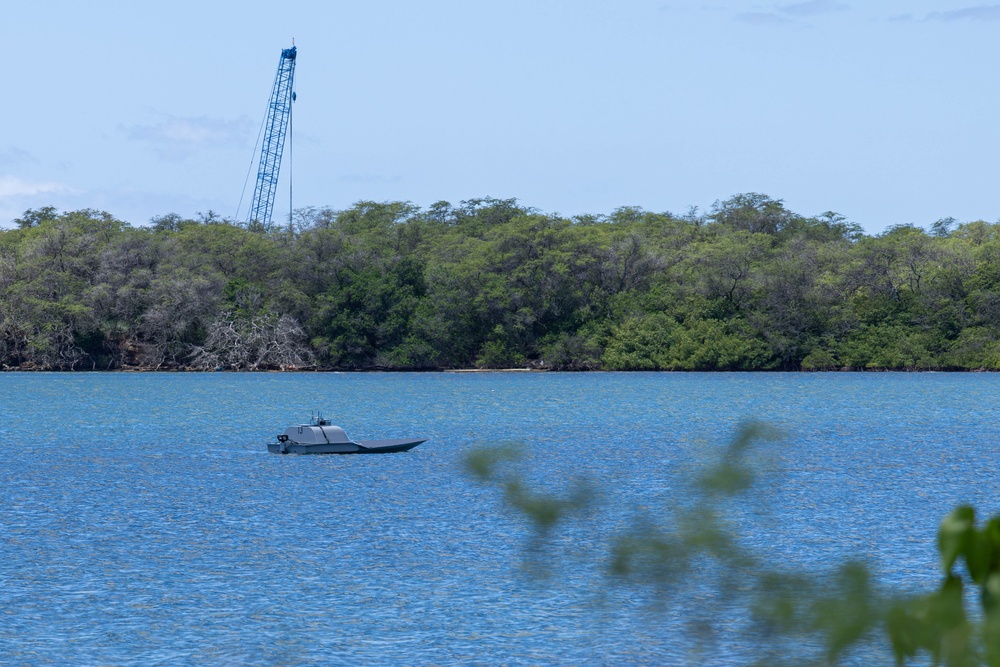
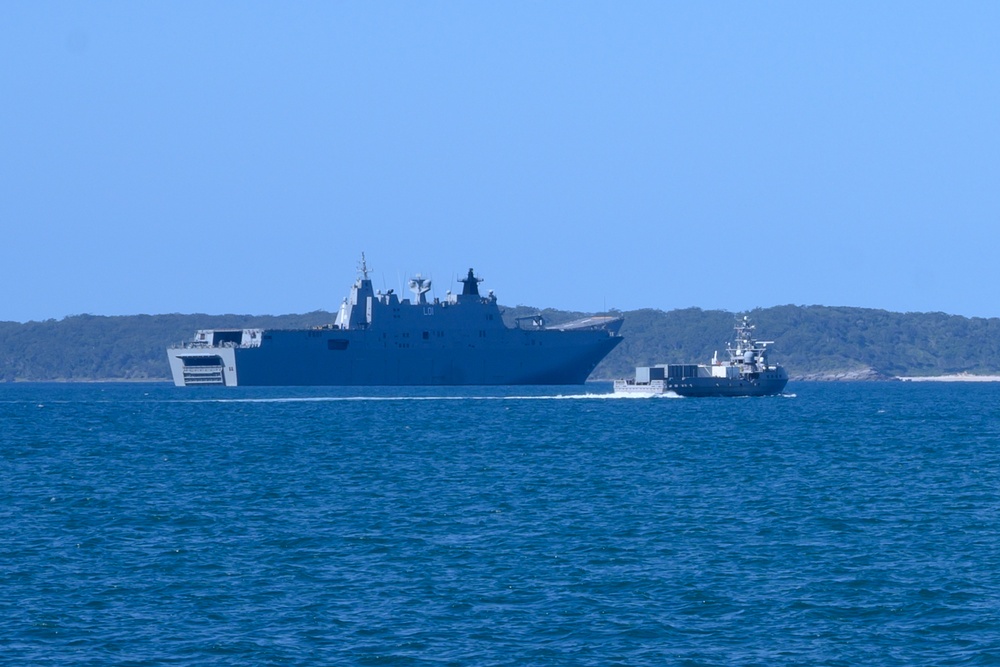
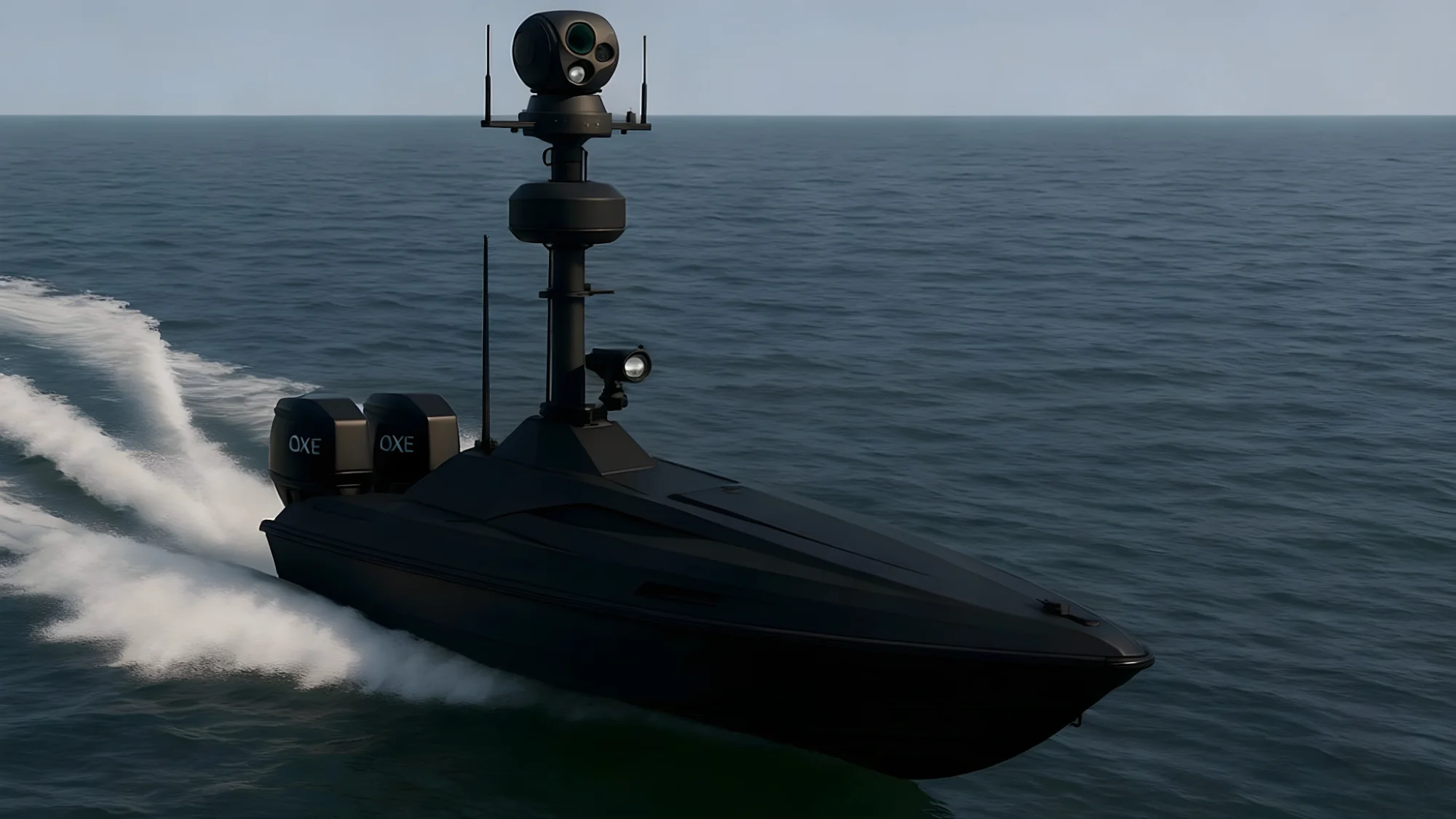
Uncrewed surface vessels offer another layer. They can maintain observations in an assigned area while crewed assets remain available for investigation, boarding, rescue, or other authorized action. The operational concept is strongest when the sensor and the responder are planned together.
The Navy’s January 2024 creation of Task Group 59.1 provides a concrete example. The group focuses on operational deployment of unmanned systems teamed with human operators in the Middle East. The announcement described Task Force 59’s experience with more than 23 different unmanned systems and an operating region spanning about 2.5 million square miles. That experience supports continued development; it does not mean every mission or operating condition has been solved.
Decide what the vessel must do without a link
Remote control and autonomy can coexist on the same platform. The important question is which functions require connectivity and which remain available locally.
For a surveillance mission, local functions may include navigation, contact detection, prioritization of observations, and safe handling of a lost connection. The design should state exactly what authority the vessel retains, when it must stop or change behavior, and how an operator resumes control.
Bandwidth constraints create useful engineering choices. Transmitting every raw sensor stream may be impractical. Local processing can send prioritized alerts and retain fuller records for later transfer. That saves bandwidth, but it also places greater weight on detection performance and on the ability to inspect the underlying evidence.
A resilient communications design may use multiple links, store-and-forward transfer, or networking among vessels. Those are options to evaluate against the mission, spectrum access, power, and security constraints—not interchangeable guarantees of connectivity.
Make the observation usable
A contact report needs more than a coordinate. The receiving command-and-control system should understand when the observation was made, which sensor produced it, how confident the classification is, and whether the track has changed since the last update.
Useful integration questions include:
- Can the receiving system distinguish fresh observations from delayed reports?
- Can operators inspect the evidence behind an alert?
- How are duplicate or conflicting tracks reconciled?
- Who may share the information with partners, and under what restrictions?
- What response is available when an alert warrants investigation?
Proprietary interfaces can increase the effort required to answer these questions. The department’s open-systems guidance emphasizes verifiable interfaces and replaceable components, with business arrangements that make interoperability practical over the lifecycle.
Persistence includes maintenance
Long endurance on a specification sheet is only one part of availability. Launch and recovery, weather, corrosion, biofouling, refueling or recharging, spares, and operator workload all shape how much useful time a vessel spends on station.
A fleet plan should account for vessels in transit, maintenance, repair, and training. It should also define how a disabled craft is recovered and what happens to sensitive information if recovery is impossible. Removing the onboard crew changes the support organization; it does not remove the work.
Before expanding a pilot, measure coverage delivered, alert usefulness, communications interruptions, operator interventions, maintenance hours, and time to restore a failed system. These measures reveal whether additional vessels will produce more awareness or simply more support demand.
Improve deliberately between deployments
Software updates can improve performance as teams learn from operations. They can also change the behavior that operators already trust. A disciplined release process records the deployed version, tests representative conditions, checks compatibility with sensors and control systems, and provides a rollback path.
Iterative fielding should therefore connect operational lessons to controlled engineering changes. Navigation, safety, cybersecurity, and mission performance all need evidence appropriate to the vessel’s intended use.
Autonomous presence has a clear role in a layered maritime force. Its strongest contribution is sustained, useful awareness that lets people and crewed assets act with better information. The architecture, support plan, and response concept determine whether that contribution persists beyond a demonstration.
Sources and further reading
- Navy: Task Group 59.1 and operational unmanned teaming
- Departmental Modular Open Systems Approach guidance
Spartan X’s maritime autonomy, engineering, and cybersecurity capabilities address the connections between onboard intelligence, resilient communications, and operational use. Persistent presence becomes valuable when those elements work together with the people who must act on the information.