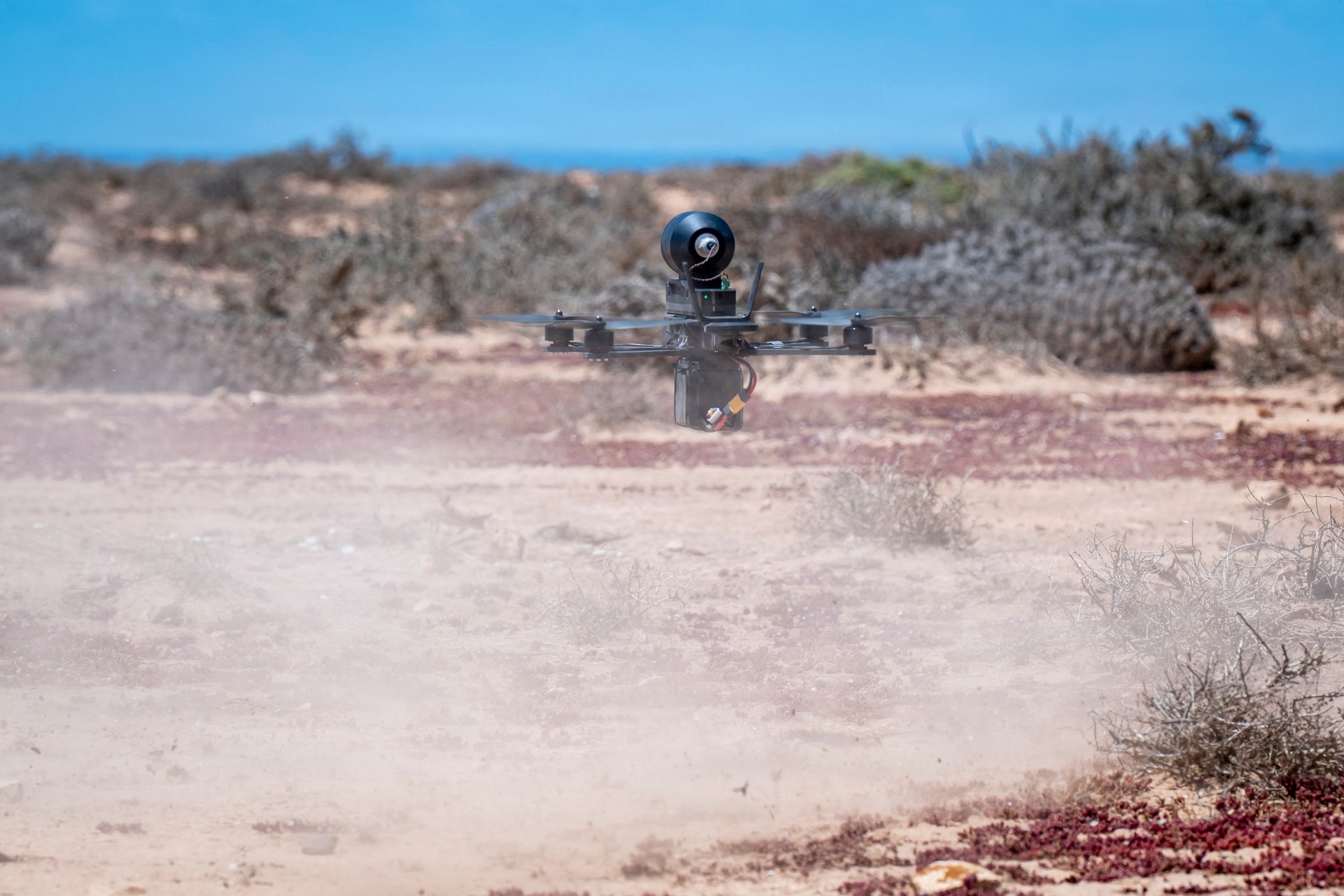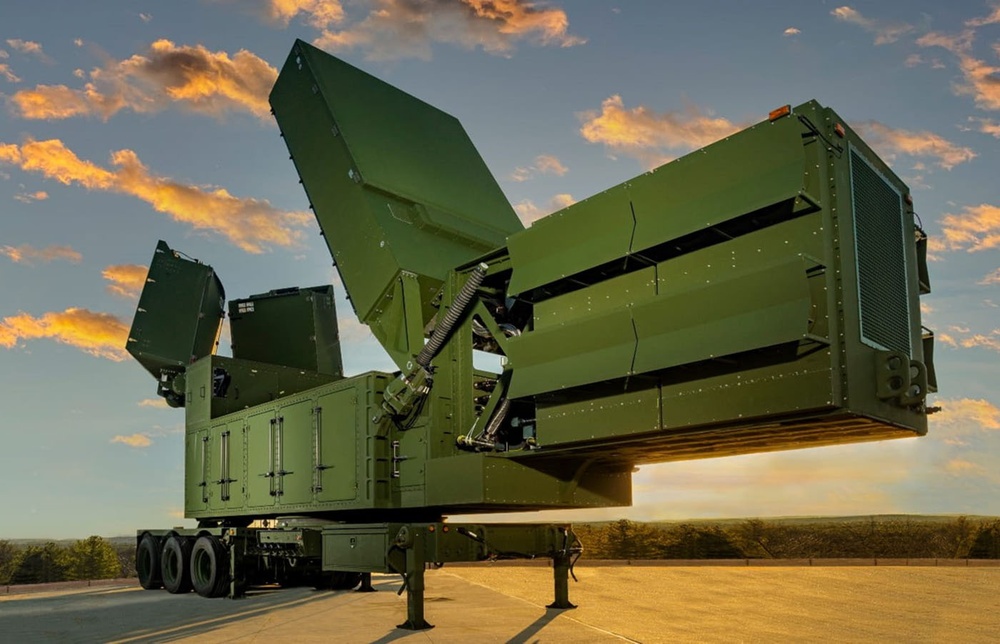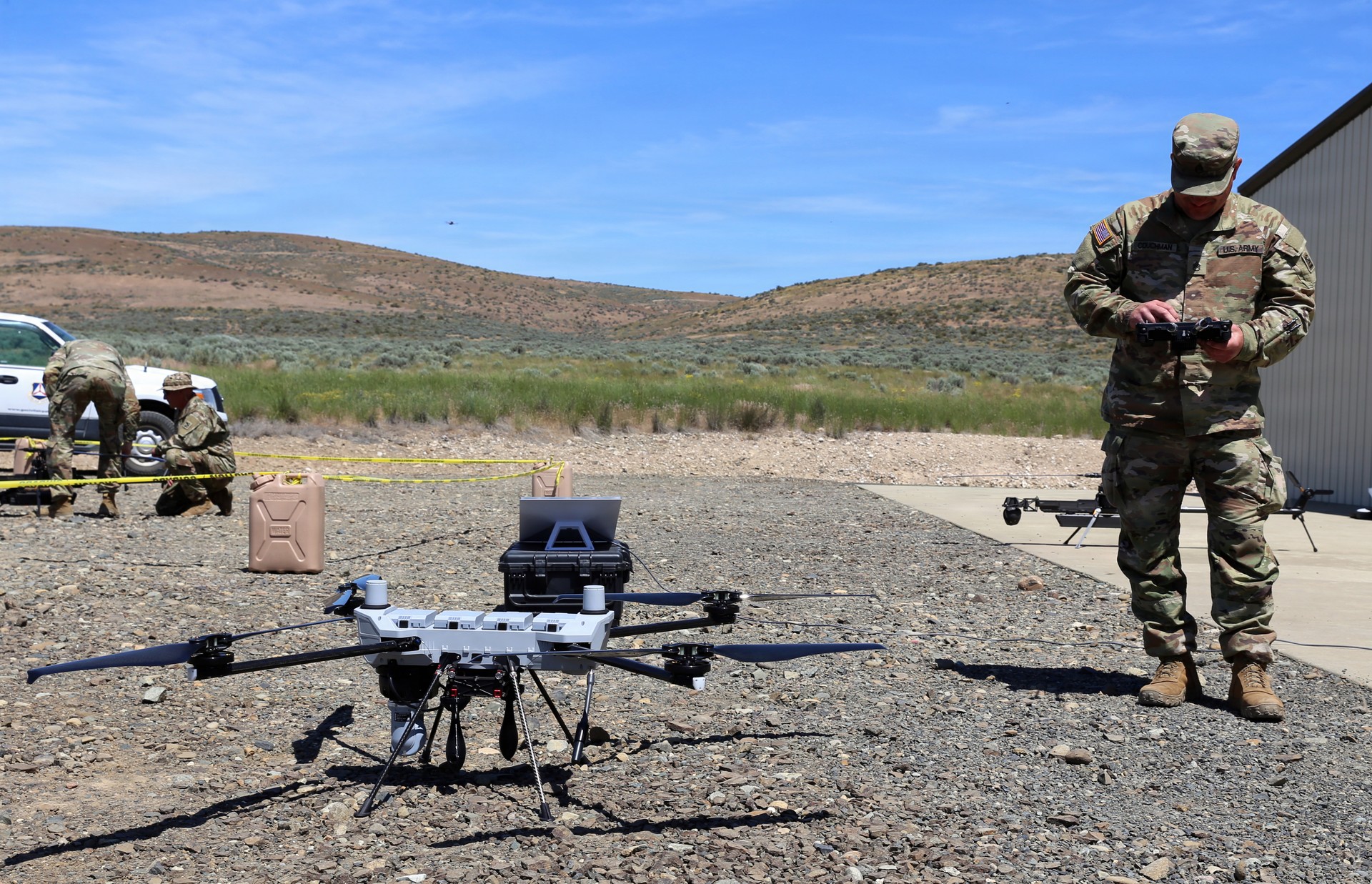
The World Cup exposed an enduring operating requirement
The July rule arrived during the 2026 World Cup, which ran from June 11 to July 19. Its preamble reports that DHS and FBI had recorded more than 600 restricted-airspace incursions at host-city venues by June 20 and that federal teams had seized hundreds of drones. Those reported incursions describe an enforcement workload; they do not establish that every flight represented a hostile attack.
Major events concentrate that workload, but agencies also need arrangements that survive beyond an event: staffing, equipment maintenance, coordination, records and a clear escalation path. A borrowed sensor and a temporary command post can support a particular operation. A standing capability needs an owner and a funded operating model.
Authority depends on the operation
The rule distinguishes detection-and-warning operations from mitigation and establishes agency and personnel requirements. It also addresses authorized technology, airspace and spectrum coordination, reporting and privacy. Eligibility under the framework is not a general permission for every agency employee or contractor to interfere with an aircraft.
Detection deserves careful scoping too. Passive, non-emitting detection is treated differently from operations that require advance FAA or FCC coordination; applicable law still matters. Agencies should classify what a proposed system actually does before deciding which approvals and operating procedures apply.
That distinction belongs in procurement documents. A proposal should explain the product's sensing functions, any transmitting functions, any mitigation functions and the boundaries between them. Combining everything under a single “counter-UAS” label makes responsibilities harder to evaluate.
Build the operating plan before the equipment list
An agency can organize its preparation around five decisions:
- Assign accountability. Name the program owner, operational decision-maker, legal reviewer and responsible records staff. Establish who can start, stop or escalate an operation.
- Match people to authorized roles. Plan training, certification, staffing coverage and recurring practice against the duties each person will perform.
- Map the intended locations and partners. Identify the relevant aviation, spectrum, event, facility and neighboring-agency interfaces before an incident compresses the coordination window.
- Define the evidence trail. Capture the observation, assessment, authorization, action and outcome in a form that supports the required reporting and later review.
- Budget for continued readiness. Include maintenance, software changes, personnel turnover, exercises and the work of keeping the operating plan current.
These are program-design recommendations, not a substitute for the governing rule or operation-specific approvals. Their value is making the responsibilities visible before the agency commits to a technical approach.
What useful suppliers should deliver
Buyers need more than a detection range in a brochure. They need to understand false alarms, environmental limits, operator workload and how the system communicates uncertainty. A display that produces many alerts without helping personnel distinguish and document them can increase the burden on the command post.
Useful support includes clear interface documentation, exportable operational records, configuration history and training tied to the agency's procedures. Vendor support must also respect the limits on delegated operational authority. A services contract should make those boundaries explicit rather than leaving them to be resolved during an event.
The longer-term opportunity is a coherent public-safety capability that can work across agency boundaries. Common terminology, compatible reporting and rehearsed handoffs help neighboring organizations cooperate without assuming that their authorities, equipment or operating conditions are identical.
Sources and further reading
- DHS and DOJ: July 2026 counter-UAS interim final rule, including World Cup context and operating requirements
- FBI testimony on World Cup preparations and distinctions between detection and mitigation authority
Spartan X connects autonomous-systems engineering, cybersecurity and program execution to the work behind a standing counter-drone capability: clear operating boundaries, usable information and personnel prepared to act together.