Signal - Spartan X Corp Insights

Signal

AI, autonomy, and cybersecurity for the defense mission.

More from Defense & DoW

AI, autonomy, and cybersecurity for the defense mission.

Topics:

93 articles · Newest first · Latest article featured above
One Strong Industrial Base: Turning Accounting Reform into Defense Market Access
September 24, 2026

One Strong Industrial Base: Turning Accounting Reform into Defense Market Access

The Feinberg initiative seeks narrower government-specific accounting and more continuous competition. Its value depends on implemented rules, usable interfaces, and acquisition decisions that actually admit new suppliers.
DefenseInnovationGovernmentComplianceManufacturing
Read More
Hunted Formations: What Gen. Caine's Warning Demands from Training and Acquisition
September 23, 2026

Hunted Formations: What Gen. Caine's Warning Demands from Training and Acquisition

Gen. Dan Caine's warning about autonomous threats raises a practical readiness test: can formations train, integrate defenses, and sustain trusted systems at the pace the threat requires?

AIDefenseAutonomyJADC2
Read More
The 'Minimal Refusal' Debate: What Defense AI Buyers Should Actually Specify
September 22, 2026

The 'Minimal Refusal' Debate: What Defense AI Buyers Should Actually Specify

A disputed contract document raises a useful acquisition question: how should buyers measure useful answers, appropriate refusals, accuracy, and authorization without confusing one property for another?

AIDefenseGovernmentCompliance
Read More
What ShipOS Can—and Cannot—Fix in Submarine Production
September 21, 2026

What ShipOS Can—and Cannot—Fix in Submarine Production

ShipOS can improve planning and expose production constraints earlier. The Navy's submarine commitments also require qualified workers, suppliers, facilities, and a credible path from faster information to accepted ships.

AIDefenseMaritimeInfrastructureManufacturing
Read More
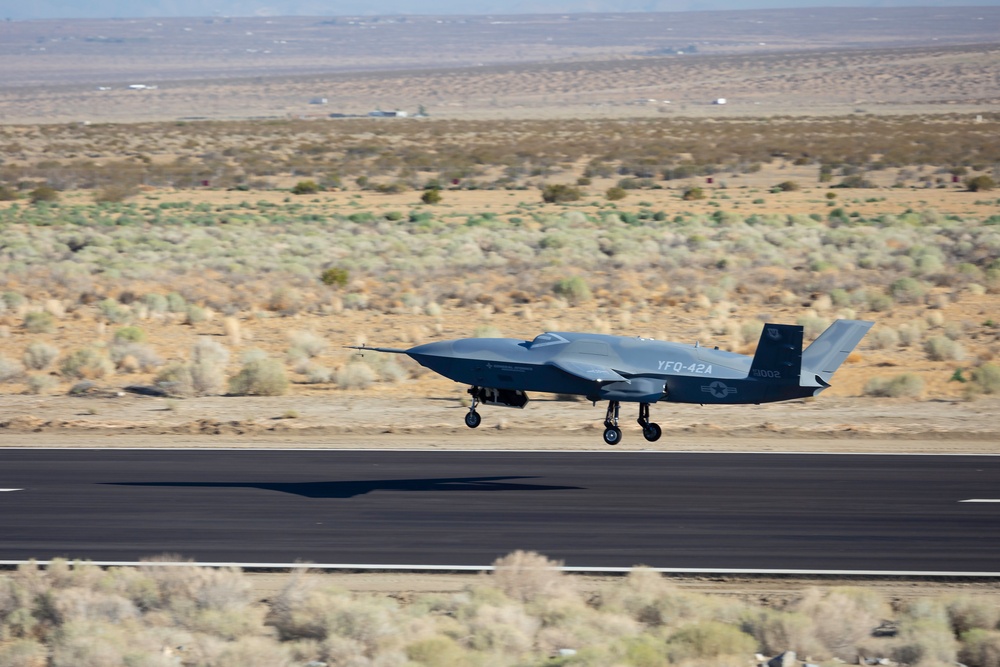
Wildfire, Gamera, and the Cost Discipline Behind Massed Modular Aircraft
September 20, 2026

Wildfire, Gamera, and the Cost Discipline Behind Massed Modular Aircraft

The Air Force wants affordable aircraft it can field in volume. Wildfire and Gamera show competing approaches, but proposed payloads, production targets, and attractive prices still need evidence from development and sustained manufacturing.

DefenseAutonomyISRInnovation
Read More
After JSTARS: The Integration Work Behind Space-Based Moving-Target Awareness
September 19, 2026

After JSTARS: The Integration Work Behind Space-Based Moving-Target Awareness

Space-based moving-target programs are advancing through awards, planned launches, and an operating-unit standup. Turning those milestones into dependable awareness requires tested data quality, ground systems, and clear responsibilities across the joint force.

SpaceISRJADC2AIDefense
Read More
Hypersonic Production Capacity: The Missing Link Between CPS Investment and Fleet Readiness
September 18, 2026

Hypersonic Production Capacity: The Missing Link Between CPS Investment and Fleet Readiness

GAO found maximum CPS production capacity of six to seven rounds annually against twelve needed to stabilize production. Testing, ship integration, and shared Army-Navy investment decisions remain part of the same delivery problem.

DefenseManufacturingInnovationGovernment
Read More
Deliberate Disclosure: What the On-Orbit Weapons Announcement Means for Acquisition
September 17, 2026

Deliberate Disclosure: What the On-Orbit Weapons Announcement Means for Acquisition

Secretary Meink's confirmation of on-orbit space-control weapons was deliberate. It strengthens the public signal around space defense, while leaving system details, acquisition history, and access to specific programs undisclosed.

SpaceDefenseGovernmentInnovation
Read More
The Pentagon's $21.6B Cloud Plan: What JWCC UCM Could Change
September 16, 2026

The Pentagon's $21.6B Cloud Plan: What JWCC UCM Could Change

The UCM Core solicitation expands the proposed cloud buying framework. Its practical value will depend on connecting procurement, security, data ownership, and mission application delivery.

DefenseInfrastructureAIZero TrustJADC2
Read More
Mission Models Need Mission Specifications: Buying Defense AI That Can Be Tested
September 15, 2026

Mission Models Need Mission Specifications: Buying Defense AI That Can Be Tested

Refusal rates alone cannot establish military AI quality. Acquisition teams need to define authorized work, unacceptable behavior, evaluation evidence, and responsibility when the system changes.

AIDefenseGovernmentComplianceInnovation
Read More
Dark Eagle at Valiant Shield: What Exercise Integration Tells Us About Readiness
September 14, 2026

Dark Eagle at Valiant Shield: What Exercise Integration Tells Us About Readiness

Army reporting confirms Dark Eagle training during Valiant Shield 2026. Its significance lies in joint integration, sustainment, and the transition from developmental capability to a dependable force contribution.

DefenseAutonomyJADC2InnovationGovernment
Read More
JWCC UCM: A Practical Read of the Pentagon's Proposed Cloud Marketplace
September 13, 2026

JWCC UCM: A Practical Read of the Pentagon's Proposed Cloud Marketplace

Core and Premier address different parts of defense cloud procurement. Buyers and suppliers need to distinguish solicitation terms, market research, workload authorization, and the work required to deliver an operational service.

AIDefenseJADC2InfrastructureGovernment
Read More
When AI Becomes Infrastructure: What Maven's Expansion Requires
September 11, 2026

When AI Becomes Infrastructure: What Maven's Expansion Requires

Maven now reaches all combatant commands across five networks, according to CDAO. That scale makes data ownership, accountable decisions, integration, and supplier flexibility central engineering concerns.

AIDefenseJADC2InfrastructureGovernmentInnovation
Read More
Beyond the MQ-25: What Carrier CCA Demands From Naval Aviation
September 10, 2026

Beyond the MQ-25: What Carrier CCA Demands From Naval Aviation

The Navy is exploring a carrier-capable Collaborative Combat Aircraft. The central challenge combines the aircraft, deck operations, control infrastructure, human responsibilities, and evidence needed to qualify the complete system.

AIAutonomyDefenseMaritimeInnovationGovernment
Read More
The Classified Access Problem the Secure Space Network Could Help Solve
September 9, 2026

The Classified Access Problem the Secure Space Network Could Help Solve

The planned network of approximately 50 mobile SCIFs addresses a real infrastructure barrier. Its reach will depend on accreditation, access arrangements, systems, scheduling, and the cost of participating.

DefenseAIInnovationGovernmentInfrastructure
Read More
Autonomous Weapons Policy on an Annual Clock: Design for Review, Not Assumptions
September 8, 2026

Autonomous Weapons Policy on an Annual Clock: Design for Review, Not Assumptions

NSPM-11 directs an update and annual review of autonomous weapons policy. Programs need a traceable policy baseline and a tested change process, rather than assumptions about an unpublished revision.

AIDefenseAutonomyGovernmentCompliance
Read More
The Navy's Carrier CCA Challenge: Autonomy Has to Work on the Flight Deck
September 6, 2026

The Navy's Carrier CCA Challenge: Autonomy Has to Work on the Flight Deck

The Navy's Increment 1 market research puts carrier integration at the center of collaborative combat aircraft design. Flight-deck operations, control interfaces and sustainment deserve the same attention as mission autonomy.

AIDefenseAutonomyMaritime
Read More
CYBERCOM 2.0: Build Cyber Tools for Specialists, Partners and Measurable Outcomes
September 5, 2026

CYBERCOM 2.0: Build Cyber Tools for Specialists, Partners and Measurable Outcomes

CYBERCOM's revised force-generation model emphasizes technical mastery. Defense cyber suppliers should connect AI, network visibility and deployable workflows to that operating need while distinguishing strategy signals from funded requirements.

CybersecurityAIDefenseGovernmentJADC2
Read More
E-HEL Moves Toward Production: The Next Test Is Sustained Field Capability
September 4, 2026

E-HEL Moves Toward Production: The Next Test Is Sustained Field Capability

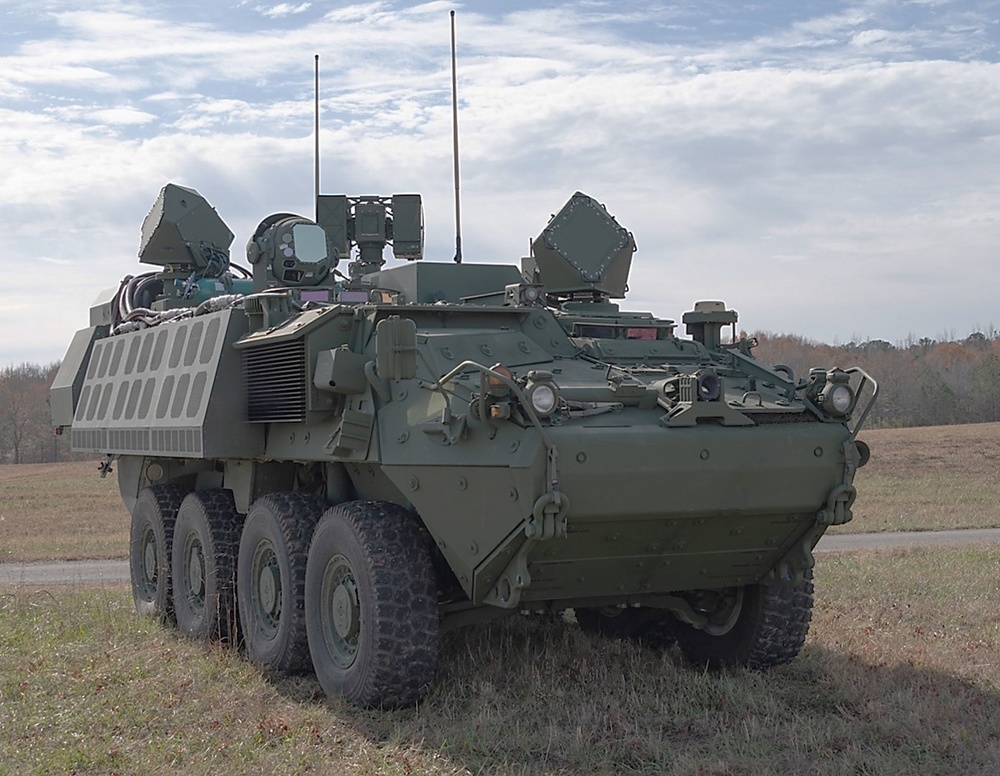
AeroVironment reports a $464.8 million Army E-HEL award. Production creates a new delivery obligation: show how laser performance, power, cooling, maintenance and layered defense work together in service.

DefenseInnovationAutonomy
Read More
The $46B Sovereign AI Arsenal Request: Compute Is a Delivery Program
September 3, 2026

The $46B Sovereign AI Arsenal Request: Compute Is a Delivery Program

The FY2027 request pairs government-owned AI infrastructure with commercial surge capacity. Its value depends on usable compute, secure data access and sustained operations—not the size of the hardware purchase alone.

AIDefenseInfrastructureJADC2GovernmentInnovation
Read More
Tripling PAC-3, Quadrupling THAAD: Turn the Demand Signal Into Qualified Output
September 2, 2026

Tripling PAC-3, Quadrupling THAAD: Turn the Demand Signal Into Qualified Output

Seven-year frameworks aim to expand interceptor production capacity. The execution challenge is to align funding, lower-tier suppliers, qualification and delivery priorities so promised capacity becomes accepted missiles.

DefenseManufacturingGovernment
Read More
Three Models, One Platform: What ChatGPT Mil Means for Defense Workflows
September 1, 2026

Three Models, One Platform: What ChatGPT Mil Means for Defense Workflows

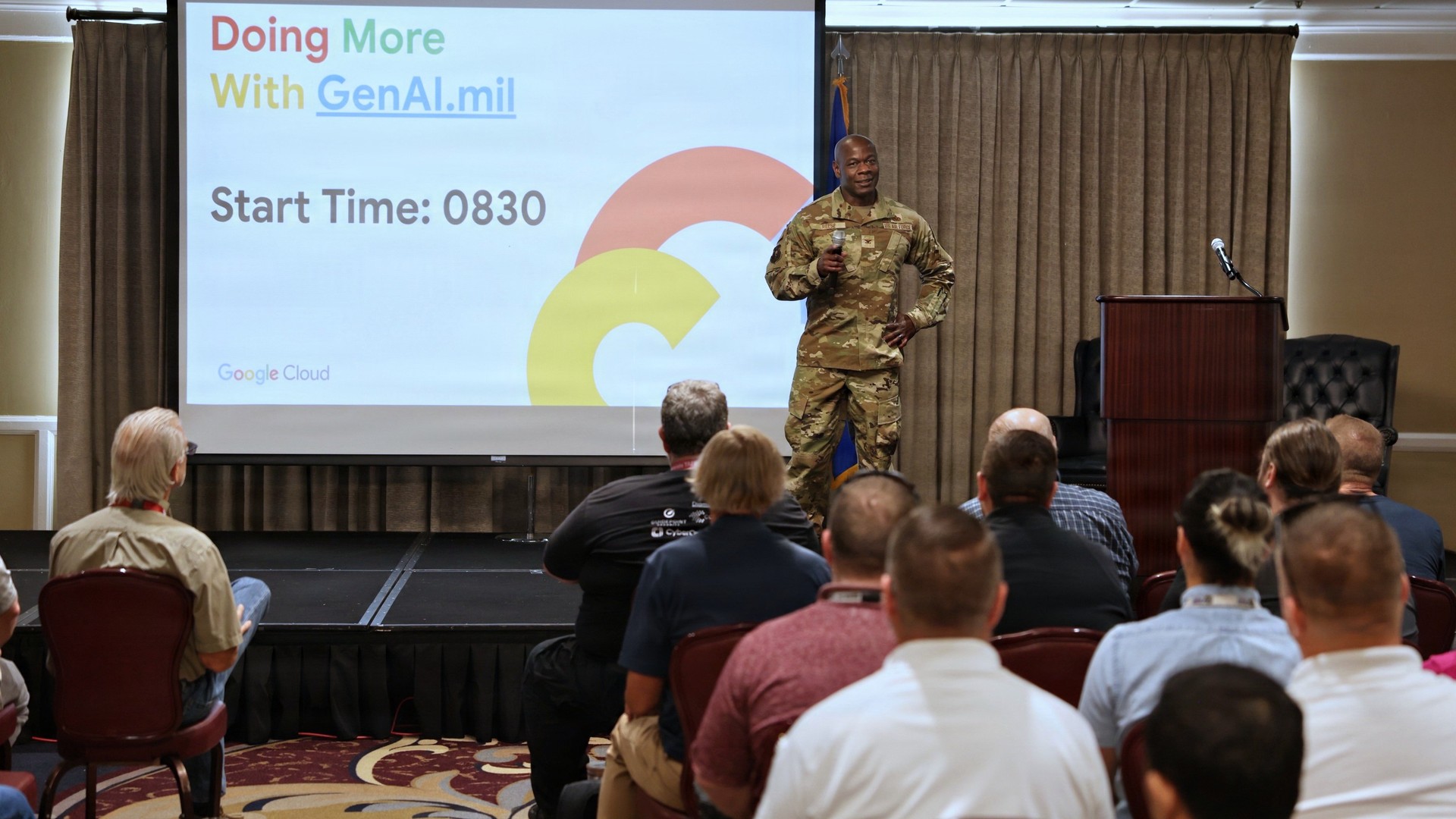
GenAI.mil's expanding model choice creates useful options for document-heavy work. Programs still need to verify data permissions, evaluate each workflow and preserve portability beyond the chat interface.

AIDefenseInnovationGovernment
Read More
AI-Assisted Source Selection After TRAX: Keep the Evidence Behind Every Finding
August 31, 2026

AI-Assisted Source Selection After TRAX: Keep the Evidence Behind Every Finding

The TRAX dispute shows why evaluators need a record that separates AI output from supported government judgment. The court rejected the protest, while requiring AI-generated evaluation material in the administrative record.

AIDefenseGovernmentComplianceInnovation
Read More
E-130J Modernization: The Communications Mission Sets the Integration Test
August 30, 2026

E-130J Modernization: The Communications Mission Sets the Integration Test

The E-130J will carry TACAMO mission systems on a C-130J-30 airframe. The central acquisition questions concern integration, availability and the transition from the aging E-6B—not aircraft quantity alone.

DefenseInfrastructureInnovationGovernment
Read More
Agentic PAI at Enterprise Scale: The Alert Still Needs an Evidence Trail
August 29, 2026

Agentic PAI at Enterprise Scale: The Alert Still Needs an Evidence Trail

The Dataminr award expands enterprise access to public-information alerting. Its value depends on source quality, analyst review and integration with the workflows that use the alert.

AIDefenseISRGovernmentInnovation
Read More
The Command Layer: What to Verify in Cross-Platform Autonomy
August 28, 2026

The Command Layer: What to Verify in Cross-Platform Autonomy

NODA's reported mission-command award puts the integration problem in view. Programs need evidence for platform compatibility, delegated authority and behavior when connectivity degrades.

AIDefenseAutonomyDDILJADC2Innovation
Read More
Autonomy Factory: Share the Test Infrastructure, Preserve Independent Judgment
August 27, 2026

Autonomy Factory: Share the Test Infrastructure, Preserve Independent Judgment

Shared autonomy tools can reduce repeated integration and evidence-building work. Their value depends on reusable data, credible simulation and a pipeline that remains inspectable and open to other tools.

AIDefenseAutonomyGovernment
Read More
War Data Platform: Judge the Data Service Behind the AI
August 27, 2026

War Data Platform: Judge the Data Service Behind the AI

WDP expands Advana's integration role for AI applications. The useful acceptance tests concern data quality, provenance, access and behavior when dependencies change or connectivity fails.

AIDefenseJADC2InfrastructureGovernmentInnovation
Read More
SOCOM's UxSAI Assessment: Prove the Interface and the Limits of Autonomy
August 21, 2026

SOCOM's UxSAI Assessment: Prove the Interface and the Limits of Autonomy

The UxSAI event seeks decentralized mission autonomy integrated with the government's CHAOS baseline. Vendors need to demonstrate a configurable capability and evidence the government can evaluate and sustain.

AutonomyDefenseDDILAI
Read More
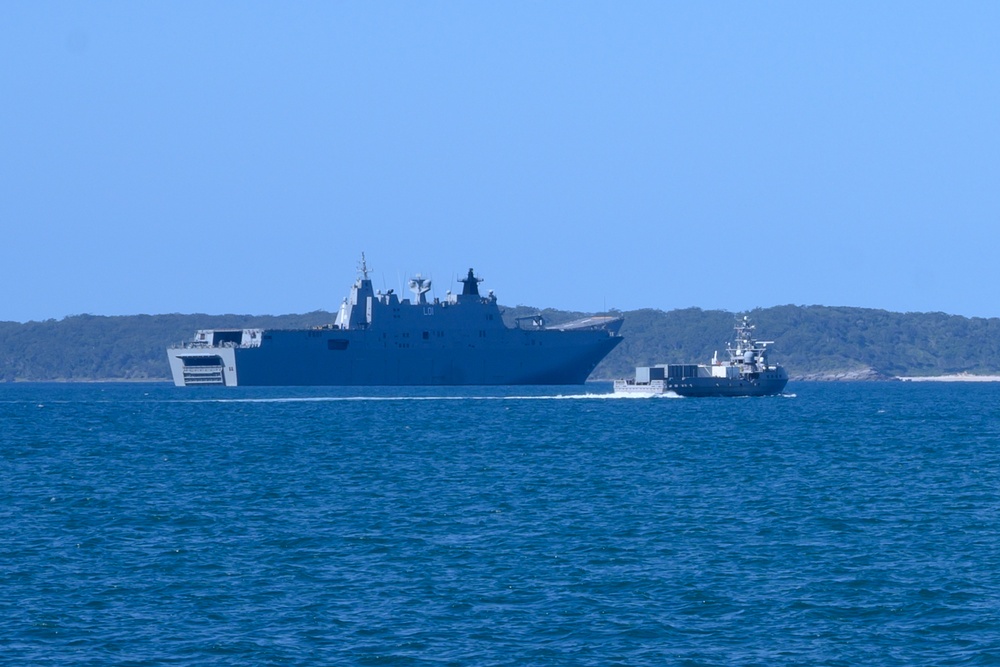
SLTE 4-26: Turn Unmanned Resupply Trials Into Useful Acquisition Evidence
August 13, 2026

SLTE 4-26: Turn Unmanned Resupply Trials Into Useful Acquisition Evidence

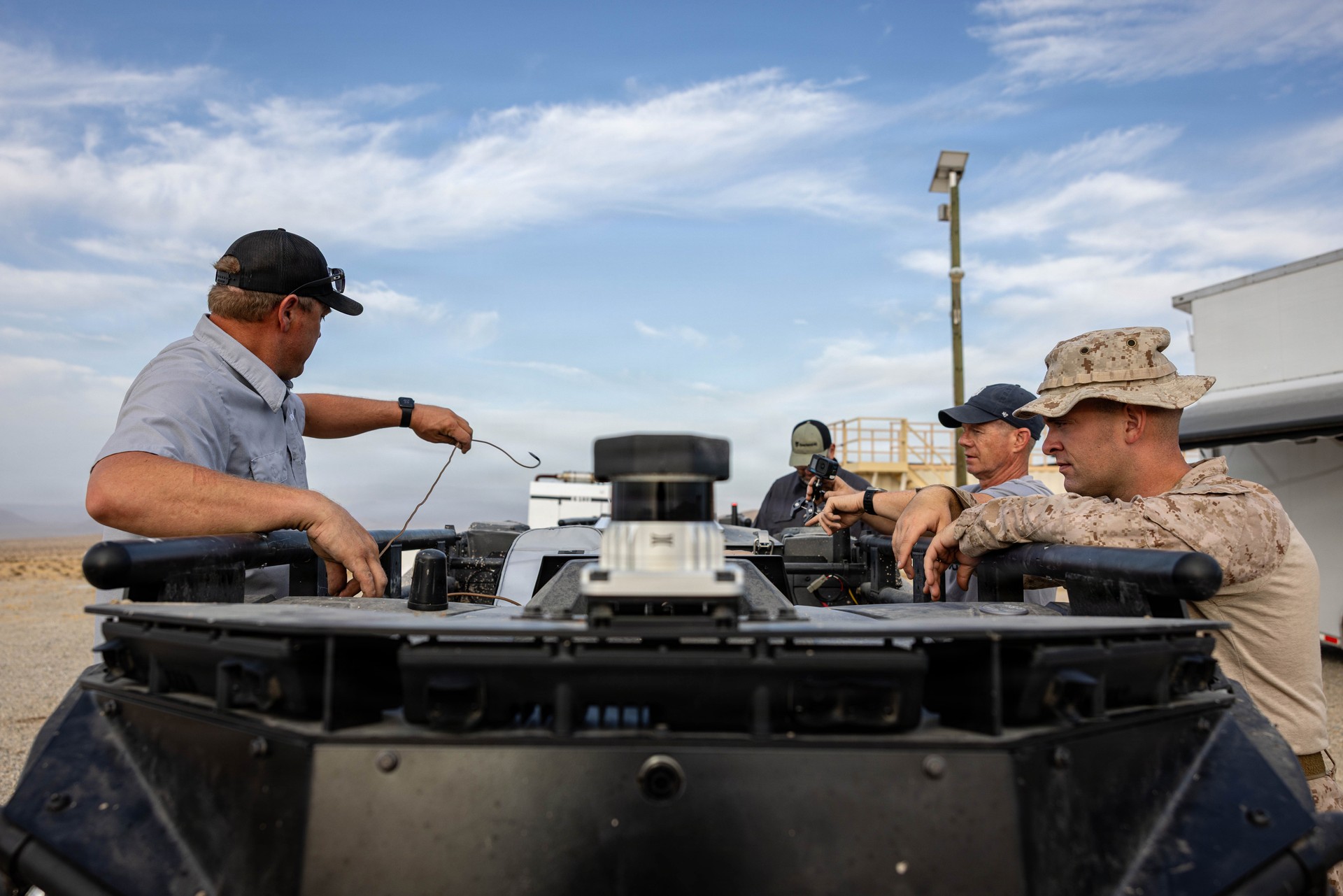
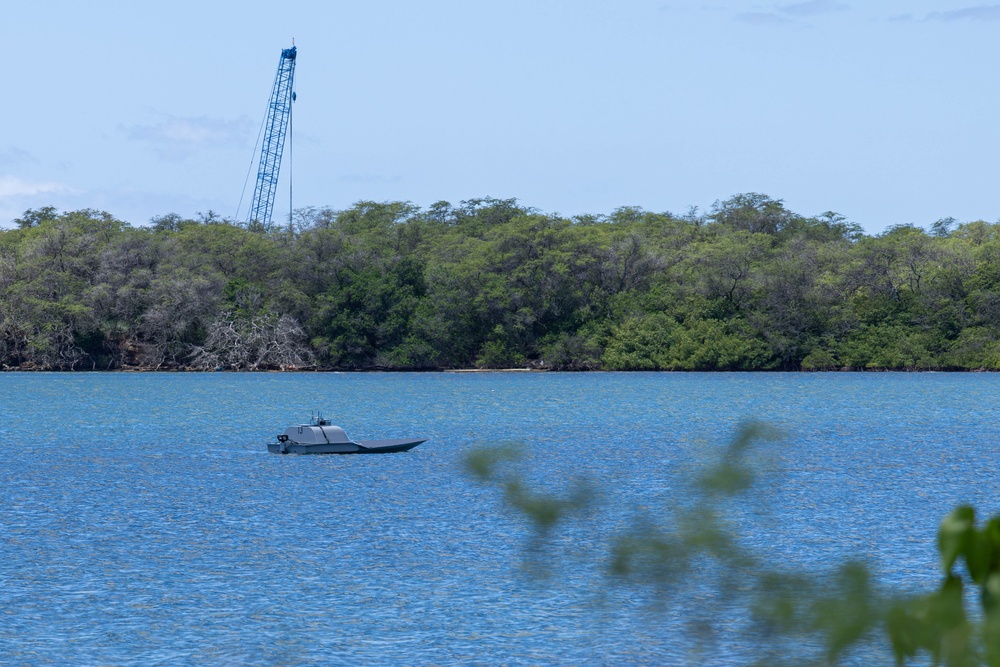
Marine Corps exercise imagery documents Overland ULTRA resupply testing. The next step is to capture reliability, operator effort and support needs well enough to inform a fielding decision.

AutonomyDefenseInnovation
Read More
GenAI.mil Agent Designer: Give Every Useful Automation an Owner
August 5, 2026

GenAI.mil Agent Designer: Give Every Useful Automation an Owner

No-code agents make workflow tools easier to create. Enterprise value depends on knowing what each tool uses, who reviews its output and who maintains it when people or models change.

AIDefenseGovernment
Read More
Andromeda and the Business of Buying Space Domain Awareness
July 29, 2026

Andromeda and the Business of Buying Space Domain Awareness

Spacecraft acquisition and commercial data subscriptions serve different needs. Andromeda and the Joint Commercial Operations Cell show why access rights, service continuity, and usable evidence belong in both buying strategies.

SpaceDefenseGovernment
Read More
Project Convergence Capstone 6: Make Experiment Results Useful for Fielding
July 23, 2026

Project Convergence Capstone 6: Make Experiment Results Useful for Fielding

Capstone 6 tested integration at division scale. Its lasting value depends on turning soldier feedback, configuration records and observed limits into decisions that follow-on units can use.

AIAutonomyDefenseJADC2
Read More
CYBERCOM’s AI Budget Request: What a 2,660 Percent Increase Would Buy
July 19, 2026

CYBERCOM’s AI Budget Request: What a 2,660 Percent Increase Would Buy

The FY2027 request raises CYBERCOM’s dedicated AI project from $5 million to $138.068 million. The proposed expansion makes data integration, operational evaluation, and accountable deployment central to the opportunity.

CybersecurityAIDefense
Read More
The MUSV Protest and the Question of What the Navy Is Evaluating
July 15, 2026

The MUSV Protest and the Question of What the Navy Is Evaluating

The MUSV dispute underscores the need for clear evaluation criteria and portable evidence of autonomous-system performance. Legal allegations and architectural lessons should be assessed separately.

MaritimeAutonomyDefenseGovernment
Read More
SAFER SKIES: Turning Counter-Drone Authority Into a Working Public-Safety Capability
July 11, 2026

SAFER SKIES: Turning Counter-Drone Authority Into a Working Public-Safety Capability

The July 2026 framework expands eligible state and local counter-drone operations under specific conditions. Agencies need trained personnel, clear authority and an operating plan that connects equipment to airspace coordination and records.

DefenseGovernmentISR
Read More
Attritable Mass Starts on the Production Line
July 7, 2026

Attritable Mass Starts on the Production Line

Affordable autonomous systems only create mass when production, software integration, and replenishment can keep pace. The decisive measures are accepted deliveries and sustainable cost.

DefenseManufacturingAutonomy
Read More
NSPM-11: Turn AI Assurance Into Evidence the Mission Owner Can Use
July 3, 2026

NSPM-11: Turn AI Assurance Into Evidence the Mission Owner Can Use

The national security AI memorandum couples faster adoption with assurance and accountability. Programs need reproducible evidence about system behavior, supplier control and operational limits.

AIDefenseGovernmentCompliance
Read More
Operators in the Development Loop: What CCA Is Changing About Acquisition
June 8, 2026

Operators in the Development Loop: What CCA Is Changing About Acquisition

The Air Force is using early operator experimentation and a separate mission-autonomy marketplace to shape CCA. The engineering challenge is to turn fast feedback into verified, supportable releases.

AIAutonomyDefenseJADC2InnovationGovernment
Read More
REWSI: Buying Cognitive EW at the Speed of Spectrum Change
June 5, 2026

REWSI: Buying Cognitive EW at the Speed of Spectrum Change

The Army is using rolling commercial evaluations to accelerate electromagnetic warfare acquisition. The engineering challenge is keeping integrations, mission permissions and test evidence current as software changes.

AIDefenseGovernmentInnovationDDIL
Read More
The Deluzio Bill: Turning Critical-Part Shortages into Manufacturing Decisions
June 3, 2026

The Deluzio Bill: Turning Critical-Part Shortages into Manufacturing Decisions

H.R. 9091 would connect an existing critical-parts manufacturing plan to implementation, reporting, and DLA no-bid information. The useful question is how qualified production reaches the supply system.

DefenseManufacturingInnovationGovernmentInfrastructure
Read More
Hardening F-35 Software Trust: The IFED Quantum-Resistant Modification
June 1, 2026

Hardening F-35 Software Trust: The IFED Quantum-Resistant Modification

The F-35 IFED modification brings quantum-resistant signed-code verification into a specific tactical-platform requirement. The engineering challenge extends from algorithm selection to trusted field updates, integration, and recovery.

DefenseQuantumCybersecurityComplianceInnovation
Read More
Project Maverick: Prove the Remote Sensor Chain Before Relying on It
May 29, 2026

Project Maverick: Prove the Remote Sensor Chain Before Relying on It

MDA’s FY2027 plan pairs elevated sensors, edge processing and tactical battle management in a hypersonic-defense demonstration. The central challenge is proving the quality and timeliness of the complete engagement chain.

AIDefenseJADC2ISRInfrastructureGovernmentInnovation
Read More
OT Zero Trust: What Defense Suppliers Should Build Into Their Next Delivery
May 27, 2026

OT Zero Trust: What Defense Suppliers Should Build Into Their Next Delivery

The interagency OT guide brings useful alignment to security engineering. Suppliers still need to distinguish recommended practices, customer requirements and the revised CMMC schedule.

CybersecurityZero TrustDefenseInfrastructureComplianceGovernmentDDIL
Read More
JIATF 401’s Perennial Award: Buying Counter-Drone Capacity at Scale
May 25, 2026

JIATF 401’s Perennial Award: Buying Counter-Drone Capacity at Scale

The $500 million counter-UAS contract ceiling creates room for repeat orders. Its value will depend on production, integration, replenishment and evidence from the intended operating environment.

DefenseAIAutonomyInnovationGovernment
Read More
FY27 CJADC2: Fund the Enterprise Platform and Its Disconnected Users
May 22, 2026

FY27 CJADC2: Fund the Enterprise Platform and Its Disconnected Users

The budget requests $2.03 billion for Mission Command Applications, including a $1.589 billion increase to expand Maven access and $60 million for VJOC. Delivery depends on integration and sustained assurance.

JADC2AIDefenseGovernmentDDILInnovation
Read More
Classified Frontier AI: Separate Network Approval From Mission Assurance
May 20, 2026

Classified Frontier AI: Separate Network Approval From Mission Assurance

Classified-network agreements expand access to frontier AI. Mission owners still need evidence about model behavior, source quality and changes in the actual workflow.

AIDefenseGovernmentCybersecurityComplianceZero Trust
Read More
Protected Tactical Waveform: Design Resilience Across the Entire SATCOM Link
May 18, 2026

Protected Tactical Waveform: Design Resilience Across the Entire SATCOM Link

Enhanced PTS-P adds space-based waveform processing and advanced antennas. Protected communications still depend on compatible terminals, secure control and evidence from the full system.

SpaceCybersecurityDefenseInfrastructureJADC2
Read More
Booz Allen on Menace: What an Integrated Tactical Edge Stack Must Deliver
May 15, 2026

Booz Allen on Menace: What an Integrated Tactical Edge Stack Must Deliver

Booz Allen’s May 2026 announcement brings situational awareness, cyber and RF effects, and zero trust controls onto Menace and Lattice. The integration matters; its operational and authorization boundaries still need to be defined.

AIDefenseDDILInfrastructureJADC2Zero TrustCybersecurity
Read More
192 Hours Offshore: What the T38 Run Shows About USV Endurance
May 13, 2026

192 Hours Offshore: What the T38 Run Shows About USV Endurance

MARTAC reports eight days of autonomous operation and intentional single-engine endurance testing. The useful acquisition lesson is how to turn a successful run into repeatable mission evidence.

MaritimeAutonomyDefenseAIISR
Read More
GenAI.mil’s Reported 103,000 Agents: What Enterprise Verification Must Cover
April 27, 2026

GenAI.mil’s Reported 103,000 Agents: What Enterprise Verification Must Cover

Rapid adoption creates a large population of user-configured AI workflows. Platform authorization, use-case evaluation, and ongoing quality checks each address a different part of the risk.

AIDefenseGovernmentComplianceCybersecurityInnovation
Read More
From Prototype to Fleet Practice: The Navy’s Autonomy Institutions
April 26, 2026

From Prototype to Fleet Practice: The Navy’s Autonomy Institutions

The Navy established its robotic and autonomous systems development center in September. Its value will depend on connecting operational lessons, training and acquisition decisions.

MaritimeAutonomyDefenseGovernmentJADC2Innovation
Read More
DARPA’s Deep Thoughts: Making Full-Ocean-Depth Vehicles Repeatable
April 25, 2026

DARPA’s Deep Thoughts: Making Full-Ocean-Depth Vehicles Repeatable

Deep Thoughts combines pressure-vessel engineering with faster design, manufacturing, and integration. Its practical challenge is a repeatable development process that preserves evidence as hardware and autonomy change.

AIDefenseAutonomyMaritimeDDILInnovation
Read More
Quantum Gravity Sensing: Take the Research Seriously, Test the Undersea Claims
April 24, 2026

Quantum Gravity Sensing: Take the Research Seriously, Test the Undersea Claims

A Chinese weak-force measurement result advances precision sensing. Turning that result into reliable submarine detection requires evidence about motion, background noise, target signatures and search performance.

DefenseAIISRGovernmentInnovationQuantum
Read More
Directed Energy at Scale: Fire Control, Power, and the Test Between Them
April 21, 2026

Directed Energy at Scale: Fire Control, Power, and the Test Between Them

Low marginal shot cost makes directed energy attractive. Reliable field performance depends on integrated sensing, beam control, power, cooling, and mission testing—not a single power rating.

AIDefenseDDILInfrastructureInnovationGovernment
Read More
DoD’s Cybersecurity Risk Management Construct: Keeping Authorization Connected to Operations
April 20, 2026

DoD’s Cybersecurity Risk Management Construct: Keeping Authorization Connected to Operations

CSRMC emphasizes continuous monitoring, automation, and threat-informed assessment. Programs need current evidence and clear risk decisions throughout the system lifecycle.

CybersecurityDefenseGovernmentComplianceInfrastructureZero Trust
Read More
The NDAA’s AI Sandboxes: Build the Evidence Pipeline for Faster Deployment
April 19, 2026

The NDAA’s AI Sandboxes: Build the Evidence Pipeline for Faster Deployment

Shared test environments can shorten AI delivery cycles. The statutory task force, futures committee and mission assurance work serve different purposes—and none makes a model release automatically ready for operational use.

AIDefenseGovernmentComplianceInnovationJADC2
Read More
Launch-Range Cyber Defense Moves Closer to the Mission
April 18, 2026

Launch-Range Cyber Defense Moves Closer to the Mission

Dedicated cyber squadrons at the Space Force launch deltas connect defense of range systems to launch operations. The next test is whether tools, evidence and response authority keep pace with a growing workload.

SpaceCybersecurityAIDefenseZero Trust
Read More
DIA’s AI Governance Model: Shared Standards, Mission-Level Execution
April 17, 2026

DIA’s AI Governance Model: Shared Standards, Mission-Level Execution

DIA’s reported Digital Modernization Accelerator puts enterprise expertise behind mission teams. Its next test is making agent permissions, evidence, and accountability as reusable as the tools themselves.

AIDefenseGovernmentISRJADC2Innovation
Read More
Australia’s Maritime Autonomous Systems Unit: Build the Organization Around the Capability
April 16, 2026

Australia’s Maritime Autonomous Systems Unit: Build the Organization Around the Capability

MASU brings maritime autonomy development, training and employment into a common organizational focus. The next measure is how effectively that structure connects platforms, people and allied operations.

MaritimeAutonomyDefenseDDILISRAIInnovation
Read More
Data Stovepipes to Decision Dominance: The Army’s Data Operations Center
April 15, 2026

Data Stovepipes to Decision Dominance: The Army’s Data Operations Center

The Army Data Operations Center began its pilot in April 2026. Its success depends on trustworthy data connections, clear operational ownership, and disciplined governance for the AI that uses them.

AIDefenseJADC2GovernmentInfrastructureInnovationISR
Read More
Golden Dome: The Integration Evidence Behind Battle Management
April 14, 2026

Golden Dome: The Integration Evidence Behind Battle Management

Golden Dome needs sensors, defensive capacity and dependable command and control. Its software should be judged by tested integration and decision quality, not by an AI label.

AIDefenseJADC2SpaceGovernmentInfrastructureInnovation
Read More
Hypersonic Defense: Prove the Sensor and Decision Architecture
April 13, 2026

Hypersonic Defense: Prove the Sensor and Decision Architecture

Missile-defense modernization depends on reliable tracking, integration and timely decisions. Automated processing matters, but a fast fire-control system is not necessarily an AI system.

AIDefenseDDILInfrastructureGovernmentJADC2Innovation
Read More
The Drone Quarterback: What Collaborative Combat Aircraft Demand From AI
April 12, 2026

The Drone Quarterback: What Collaborative Combat Aircraft Demand From AI

CCA flight tests and production decisions are advancing crewed-uncrewed teaming. Competing mission-autonomy software makes integration, operator authority, and repeatable verification central to the program.

AIAutonomyDefenseISRJADC2Innovation
Read More
Cognitive Electronic Warfare: Building Adaptation Into the Spectrum Fight
April 11, 2026

Cognitive Electronic Warfare: Building Adaptation Into the Spectrum Fight

Adaptive sensing and software-defined electronic warfare can shorten response times. Their value depends on trustworthy classification, controlled effects, and integration that survives a contested network.

AIDefenseDDILInnovationGovernment
Read More
The DAWG Budget Request: Building the Industrial Base Behind Autonomous Warfare
April 10, 2026

The DAWG Budget Request: Building the Industrial Base Behind Autonomous Warfare

The FY2027 request proposes $54.6 billion for DAWG, mostly through mandatory funding. Production, sustainment, and integration decisions will determine how much of that ambition becomes usable capability.

AIAutonomyDefenseGovernmentJADC2Innovation
Read More
Closing the Counter-UAS Decision Loop at the Tactical Edge
April 9, 2026

Closing the Counter-UAS Decision Loop at the Tactical Edge

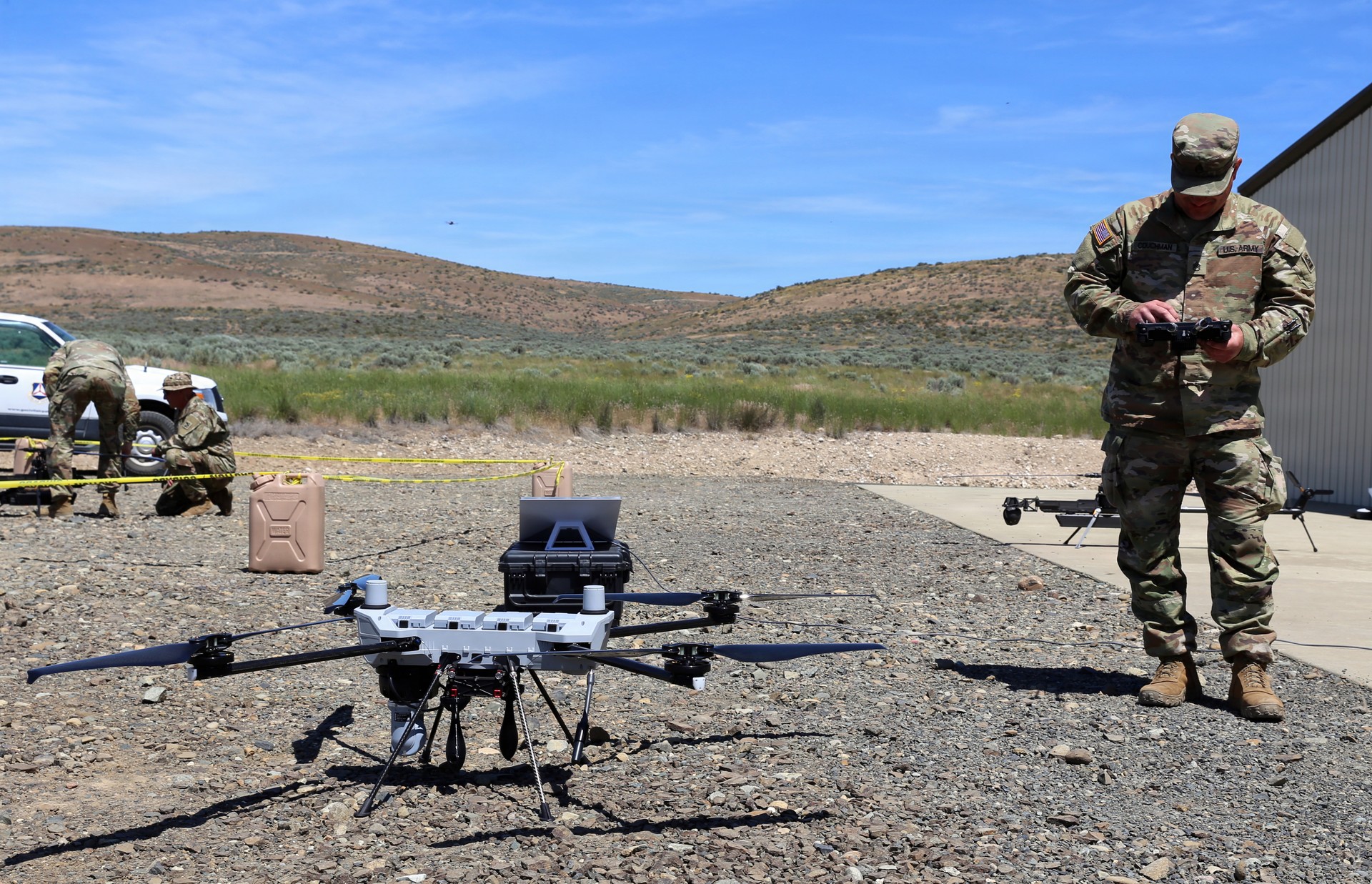
AI can help counter-drone teams combine sensor evidence and prioritize threats. Effective defense still depends on detection, identification, human authority, suitable effects, and a system tested as a whole.

AIDefenseAutonomyISRDDIL
Read More
Lumberjack and Maven: What an Agentic AI Demonstration Can Establish
April 9, 2026

Lumberjack and Maven: What an Agentic AI Demonstration Can Establish

The Lethal Eagle demonstration connected an experimental aircraft, Maven and AI-assisted tools. The next evaluation should examine supervision, interoperability and the evidence behind recommendations.

AIAutonomyDefenseJADC2GovernmentInnovation
Read More
Replicator and Swarm Forge: Test Autonomy Where Connectivity Breaks
April 8, 2026

Replicator and Swarm Forge: Test Autonomy Where Connectivity Breaks

Swarm Forge’s call for heterogeneous drones in degraded communications makes local capability, coordination and human command central design questions. A demonstration objective is not a universal acquisition standard.

AIAutonomyDefenseDDILJADC2InnovationGovernment
Read More
Uncrewed Vessels in Operations: What the GARC Deployment Changes
April 7, 2026

Uncrewed Vessels in Operations: What the GARC Deployment Changes

Reported GARC patrols during Operation Epic Fury mark a meaningful operational step. The acquisition opportunity now depends on demonstrating mission performance, supportability, and production readiness at sea.

MaritimeAutonomyDefenseISRInnovationGovernment
Read More
The Army’s $20B Anduril Contract: Integration, Competition, and the Open-Architecture Test
April 6, 2026

The Army’s $20B Anduril Contract: Integration, Competition, and the Open-Architecture Test

The Army consolidated more than 120 Anduril procurement actions into a single enterprise vehicle. The technical opportunity is interoperable command and control; the acquisition challenge is preserving meaningful choice around it.

AIDefenseJADC2AutonomyGovernmentInnovation
Read More
Securing the Orbital Layer: What Joint LEO SATCOM Guidance Means for Defense
April 5, 2026

Securing the Orbital Layer: What Joint LEO SATCOM Guidance Means for Defense

LEO communications depend on satellites, ground infrastructure, user systems and links. The joint guidance gives customers a way to examine that entire service and assign security responsibilities.

SpaceCybersecurityAIDefenseISRInfrastructure
Read More
China’s L30 Patrol Demonstration and the Test for Maritime Autonomy
April 4, 2026

China’s L30 Patrol Demonstration and the Test for Maritime Autonomy

A March 2026 Chinese broadcast showed coordinated L30 patrol vessels operating under a police command center. It raises useful questions about multi-vessel autonomy without establishing a naval combat-readiness comparison.

MaritimeAutonomyDefenseISRDDILJADC2
Read More
The AI Guardrails Act: What a Human-Performance Standard Would Require
April 3, 2026

The AI Guardrails Act: What a Human-Performance Standard Would Require

S.4113 ties a proposed waiver for certain autonomous weapons to documented human performance under equivalent conditions. That comparison demands a carefully designed operational test, not a single accuracy score.

AIDefenseAutonomyGovernmentComplianceJADC2
Read More
Zero Trust at the Tactical Edge: Design for Disconnection
April 2, 2026

Zero Trust at the Tactical Edge: Design for Disconnection

Autonomous platforms need security that remains useful when central services are unavailable. Published OT guidance helps frame the problem, but its boundary must be distinguished from requirements for a weapon system’s internal functions.

CybersecurityZero TrustAutonomyDefenseDDILGovernmentCompliance
Read More
Two Undersea Autonomy Awards, Two Different Integration Challenges
April 1, 2026

Two Undersea Autonomy Awards, Two Different Integration Challenges

March 2026 announcements for Dive-XL and Iver4 highlight complementary approaches to undersea reach. Their common test is dependable autonomy, deployment, and recovery beyond continuous communications.

MaritimeAutonomyDefenseDDILISRGovernment
Read More
Factory to Frontline: What Faster Army AI Acquisition Requires
March 31, 2026

Factory to Frontline: What Faster Army AI Acquisition Requires

Faster acquisition needs an equally deliberate path through operational testing, edge deployment, cybersecurity, and sustainment. Army programs show where that work begins.

AIDefenseGovernmentJADC2AutonomyInnovation
Read More
The Navy’s USV Marketplace: Compete on Demonstrated Capability and Integration
March 30, 2026

The Navy’s USV Marketplace: Compete on Demonstrated Capability and Integration

The MUSV marketplace changes the path from prototype to potential production. Vendors need to read the actual requirements, demonstrate the delivered configuration and plan for support beyond the test.

MaritimeAutonomyDefenseGovernmentInnovation
Read More
Why AI Verification Is Essential to Defense Autonomy
June 10, 2025

Why AI Verification Is Essential to Defense Autonomy

Model agreement is one signal, not proof of correctness. Defense AI needs representative testing, source validation, explicit limits, and reviewable decisions before greater autonomy can be justified.

AIDefenseAutonomy
Read More
Autonomous Maritime Systems and the Future of Persistent Presence
April 22, 2025

Autonomous Maritime Systems and the Future of Persistent Presence

Uncrewed vessels can extend maritime awareness between crewed patrols. Persistent presence depends on resilient autonomy, useful data integration, and a support model that works at sea.

MaritimeAutonomyISR
Read More
Quantum and Defense: Act on Cryptography, Test the Computing Promise
April 7, 2025

Quantum and Defense: Act on Cryptography, Test the Computing Promise

Post-quantum migration is actionable now. Quantum computing, sensing and communications need separate assessments of maturity, mission value and integration cost.

InnovationDefenseQuantum
Read More
Government AI Adoption: Plan the Transition Before the Pilot
March 17, 2025

Government AI Adoption: Plan the Transition Before the Pilot

Useful government AI needs operational data, accountable ownership and a funded transition path. A successful demonstration establishes only part of the case for deployment.

AIDefenseGovernment
Read More
Space Cybersecurity: Protect the Service From Ground to Orbit
February 18, 2025

Space Cybersecurity: Protect the Service From Ground to Orbit

Space resilience depends on command systems, communications, spacecraft and the people operating them. Realistic exercises should test how the mission continues when one of those layers becomes untrustworthy.

SpaceCybersecurityDefense
Read More
CMMC Readiness After the Phase II Suspension
February 3, 2025

CMMC Readiness After the Phase II Suspension

The July 2026 suspension changed CMMC’s assessment rollout, while self-assessment and safeguarding duties remain. Contractors should align their evidence, system scope, and contract terms with the current policy.

CybersecurityDefenseCompliance
Read More
JADC2 and the Challenge of Autonomous Platform Integration
January 13, 2025

JADC2 and the Challenge of Autonomous Platform Integration

Autonomous platforms need shared data meaning, reliable interfaces and explicit operating authority. Those requirements belong in joint command-and-control design from the beginning.

DefenseAutonomyJADC2
Read More
Space Domain Awareness: Turn Orbital Observations Into Resilient Operations
December 16, 2024

Space Domain Awareness: Turn Orbital Observations Into Resilient Operations

Tracking objects is the beginning of space domain awareness. Mission teams also need uncertainty, characterization and clear decisions about protecting the services that depend on those objects.

SpaceDefenseISR
Read More
Multi-Model AI Consensus: Useful Evidence, Not a Guarantee of Truth
November 4, 2024

Multi-Model AI Consensus: Useful Evidence, Not a Guarantee of Truth

Agreement among models can help expose uncertainty, but shared errors remain possible. Reliable decisions require external evidence, validated constraints and testing of the complete workflow.

AIAutonomyDefense
Read More
Additive Manufacturing and the Future of Defense Sustainment
October 7, 2024

Additive Manufacturing and the Future of Defense Sustainment

On-demand production can reduce selected spare-part delays, but readiness depends on qualified processes, approved technical data, inspection, and a supportable manufacturing network.

InnovationDefenseManufacturing
Read More
Cyber Threats to Critical Infrastructure: A Defense Contractor’s Operational Problem
September 9, 2024

Cyber Threats to Critical Infrastructure: A Defense Contractor’s Operational Problem

Protecting defense production means securing supplier access and the connections between business networks and industrial systems. Threat detection, safe containment, and tested recovery belong in the same plan.

CybersecurityDefenseInfrastructure
Read More
Edge AI Deployment in Denied, Degraded, and Intermittent Environments
August 12, 2024

Edge AI Deployment in Denied, Degraded, and Intermittent Environments

Useful edge AI starts with the task that must continue offline. Models, hardware, updates, and data synchronization must all fit the available power, connectivity, and operator workload.

AIDefenseDDIL
Read More
Commercial Space Security: Protecting the Service From Ground to Orbit
July 23, 2024

Commercial Space Security: Protecting the Service From Ground to Orbit

Defense reliance on commercial space makes provider networks, user terminals, software supply chains, and recovery arrangements part of mission security. Contracts and exercises need to test that whole service.

SpaceCybersecurityDefense
Read More
Counter-Narcotics: Turning Maritime Awareness Into an Interdiction Opportunity
June 18, 2024

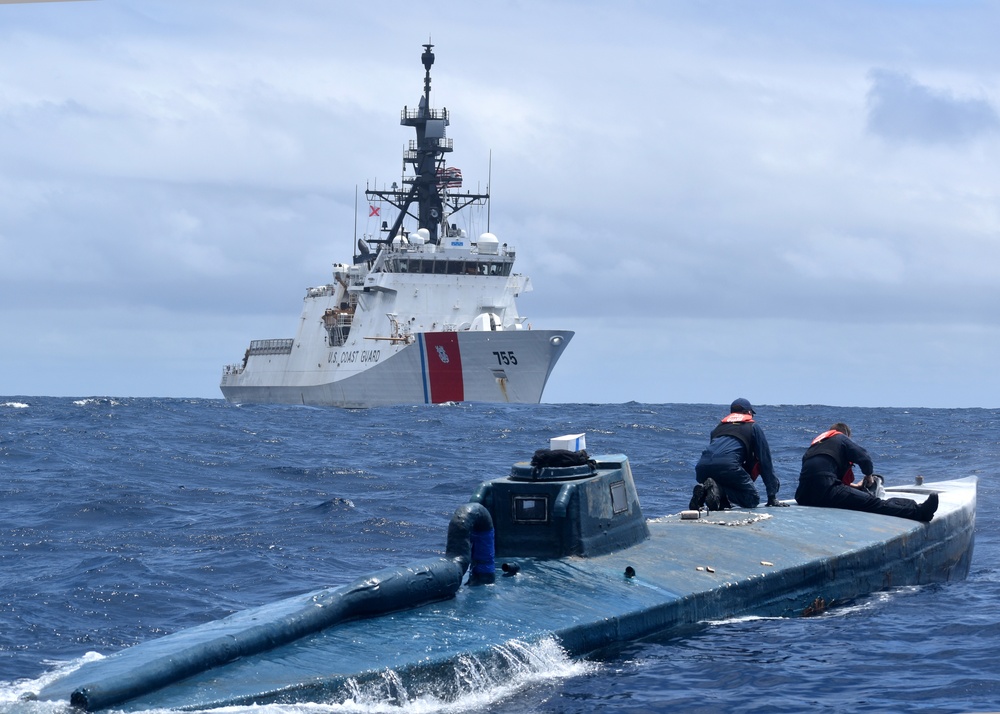
Counter-Narcotics: Turning Maritime Awareness Into an Interdiction Opportunity

Persistent sensors and AI can help direct limited response assets, but detection alone does not stop a shipment. Maritime awareness must connect reliable tracks, interagency decisions, and an available lawful response.

MaritimeDefenseISR
Read More
Zero Trust for Defense Networks: Make Access Decisions Explicit
May 14, 2024

Zero Trust for Defense Networks: Make Access Decisions Explicit

Zero trust limits what a successful login or compromised component can reach. Defense teams can make progress by mapping a mission workflow, tightening access and testing the controls without losing essential service.

CybersecurityDefenseZero Trust
Read More

STAY INFORMED

Want to Learn More?

Explore our solutions or get in touch to discuss how Spartan X is building the next generation of defense technology.

Defense & DoW | Signal | Spartan X Corp